Buy kopa-houtskooloven.be ?
We are moving the project
kopa-houtskooloven.be .
Are you interested in purchasing the domain
kopa-houtskooloven.be ?
domain@kv-gmbh.de · 0541-91531010
Buy kopa-houtskooloven.be ?
What does "effet" mean?
"Effet" is a French word that translates to "effect" in English. It refers to the result or impact of a particular action or event. In the context of design or fashion, "effet" can also refer to the visual or aesthetic impact of a particular style or technique. Overall, "effet" conveys the idea of the outcome or impression created by something. **
Hello everyone, what is the difference between "à tout à l'heure" and "à tout de suite"?
"À tout à l'heure" and "à tout de suite" are both French expressions used to indicate that you will see someone later. However, "à tout à l'heure" is more casual and can mean "see you later" or "see you in a bit," while "à tout de suite" is more immediate and means "see you soon" or "see you in a moment." The choice between the two depends on the level of immediacy in the meeting or the context in which it is being used. **


Similar search terms for Sweat-à-capuche-effet
Top-Angebote
Products related to Sweat-à-capuche-effet:
-
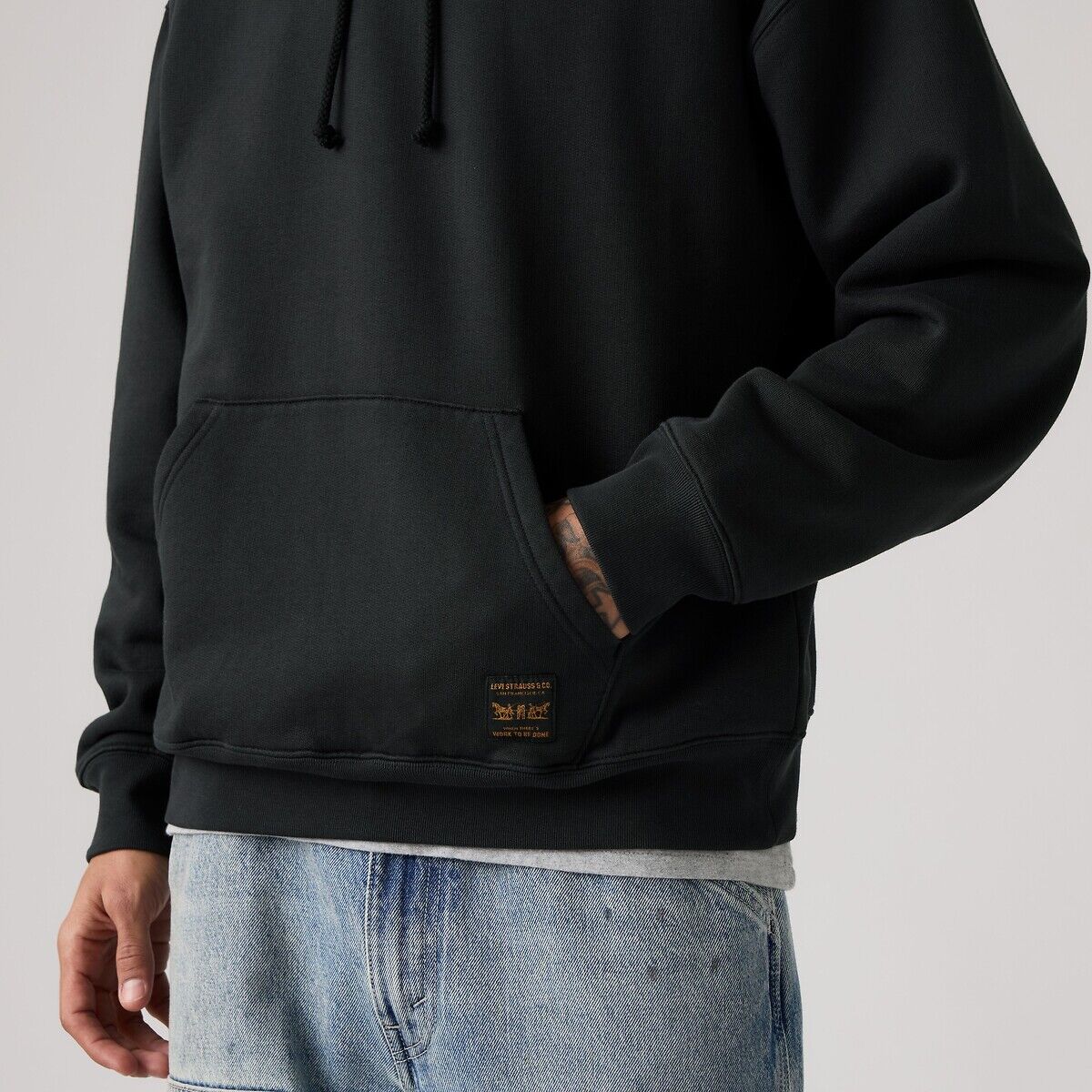
LEVI'S Sweat à capucheDétails produit • A capuche • Col rond • Manches longues • Longueur : standard • Poche kangourou • Logo à la base Composition et Entretien • 100% coton • Pour l'entretien, merci de vous référer aux indications figurant sur l'étiquette du produit69,00 €*Shipping: 3,99 €Secure redirect to the provider
-
NAPAPIJRI Sweat à capuche AylmerDétails produit • A capuche • Capuche • Manches longues • Fermeture zippée • Longueur : standard Composition et Entretien • 90% coton, 10% polyester • Pour l'entretien, merci de vous référer aux indications figurant sur l'étiquette du produit78,00 €*Shipping: 3,99 €Secure redirect to the provider
-
NAPAPIJRI Sweat à capuche BalisDétails produit • A capuche • Manches longues • Logo poitrine brodé • Finitions bord côtés base et poignets • Longueur : standard Composition et Entretien • 100% coton • Pour l'entretien, merci de vous référer aux indications figurant sur l'étiquette du produit59,50 €*Shipping: 3,99 €Secure redirect to the provider


-
Hello people, what is the difference between "à tout à l'heure" and "à tout de suite"?
"À tout à l'heure" and "à tout de suite" are both French expressions used to indicate that you will see someone later. However, "à tout à l'heure" is more casual and implies that the meeting will happen in a little while, while "à tout de suite" is more immediate and suggests that the meeting will happen very soon, almost instantly. **
-
Hello guys, what is the difference between "à tout à l'heure" and "à tout de suite"?
"À tout à l'heure" and "à tout de suite" are both French expressions used to indicate that you will see someone later. However, "à tout à l'heure" is more commonly used to mean "see you later" when the time frame is a bit longer, such as later in the day. On the other hand, "à tout de suite" is used when the meeting or reunion is happening very soon, almost immediately. **
-
What is a tendu à terre à la seconde en face?
A tendu à terre à la seconde en face is a movement in ballet where the working foot slides along the floor to the side (à la seconde) while the body is facing directly forward (en face). This movement is typically done with the working leg fully stretched and the foot pointed, and it is used to strengthen the legs, improve turnout, and develop precision and control in the feet. The tendu à terre à la seconde en face is a fundamental exercise in ballet that is often used as a warm-up or as part of a combination in a ballet class. **
-
'How do you sweat while cooking?'
When cooking, I sweat from the heat of the stove and the physical exertion of moving around the kitchen, stirring pots, and chopping ingredients. The heat from the stove and oven can cause me to sweat, especially if I'm working with multiple burners or cooking for an extended period of time. Additionally, the physical activity of cooking, such as stirring, flipping, and lifting heavy pots and pans, can also contribute to sweating. Overall, the combination of heat and physical movement in the kitchen can lead to sweating while cooking. **
When do we use the prepositions à, à la, chez, au, and aux in French?
We use the preposition "à" to indicate a location or destination, to express possession, or to talk about a specific time. "À la" is used before a feminine singular noun to indicate a location or destination. "Chez" is used to indicate going to someone's house or place of business. "Au" is used before a masculine singular noun to indicate a location or destination. "Aux" is used before a plural noun to indicate a location or destination. **
What does à la carte mean?
À la carte is a French term that translates to "according to the menu" in English. In the context of dining, it refers to ordering individual dishes from a menu rather than choosing a set meal or a fixed combination of items. This allows diners to select specific items they want to order, creating a customized dining experience. Each dish is priced separately, and diners can choose as many or as few items as they like. **
Top-Angebote
Products related to Sweat-à-capuche-effet:
-
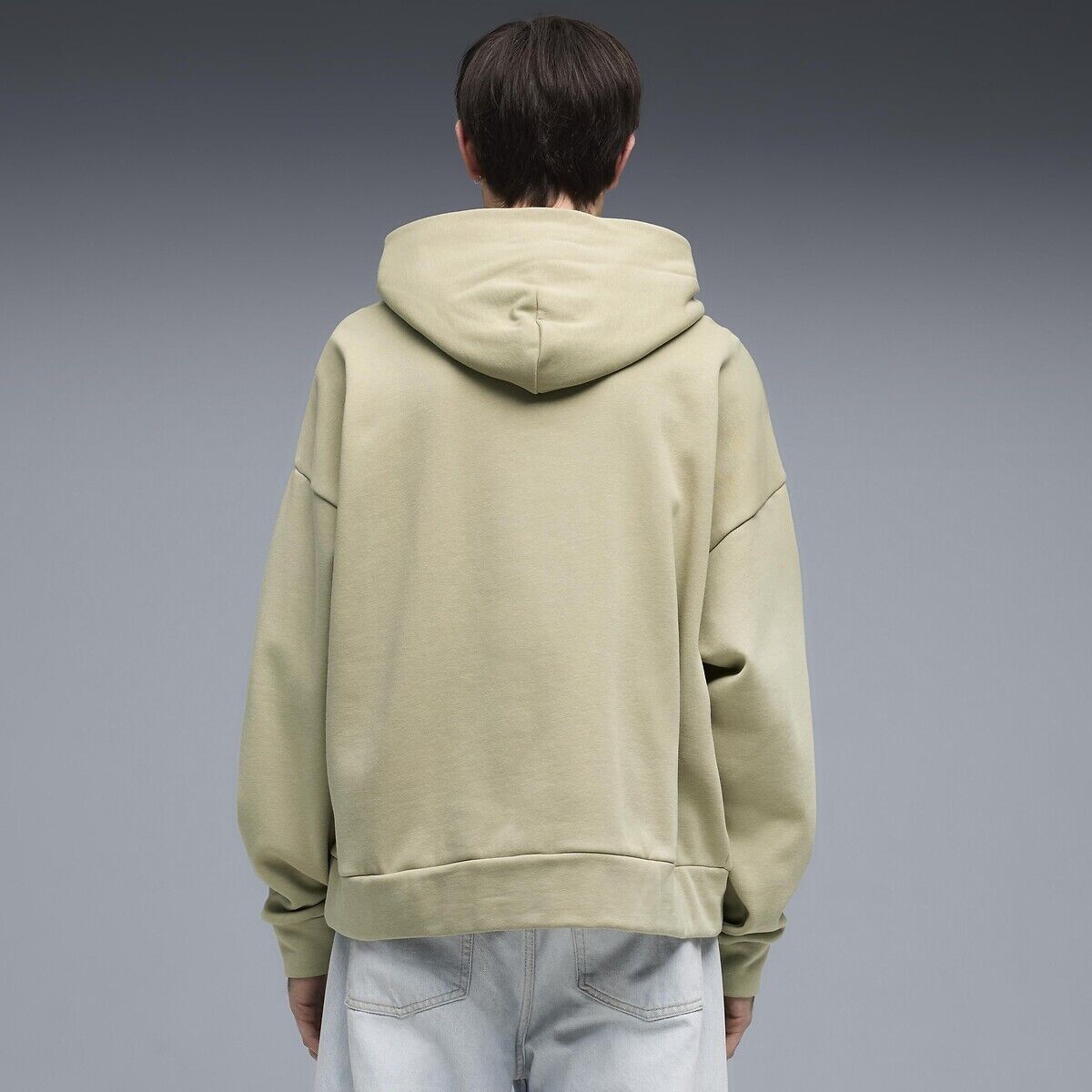
Sweat à capuche effet délavé Puma ClassDétails produit • A capuche • Col montant • Manches longues • Longueur : standard • Motif devant • Motif message • Poche devant • Finitions bord côtes Composition et Entretien • 68% coton, 32% polyester • Pour l'entretien, merci de vous référer aux indications figurant sur l'étiquette du produit45,50 €*Shipping: 3,99 €Secure redirect to the provider
-
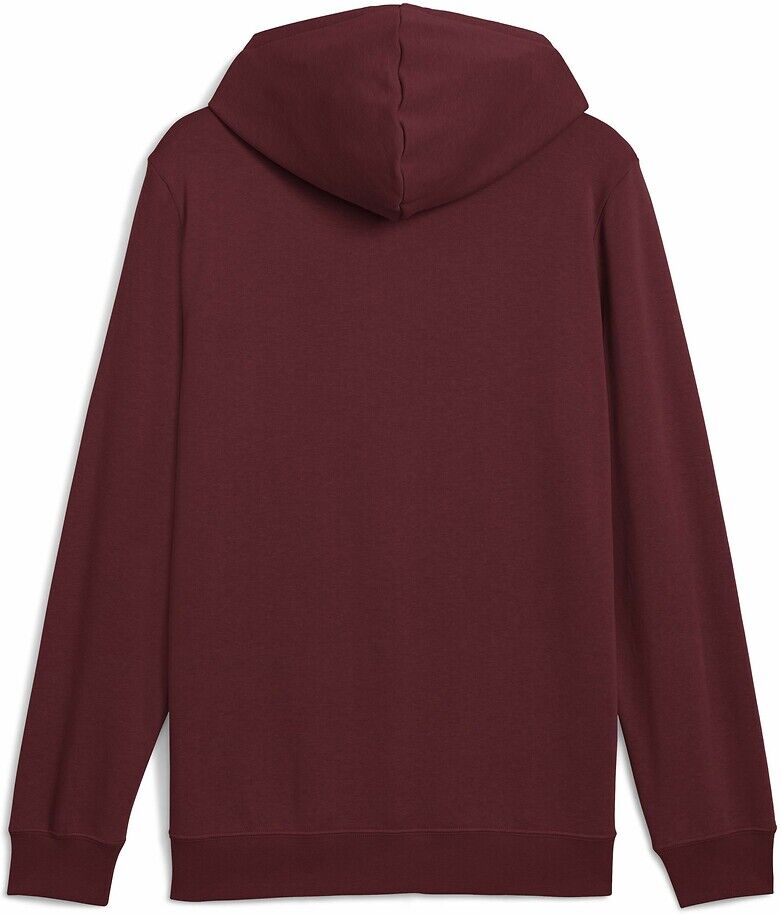
PUMA Sweat à capucheDétails produit • A capuche • Col rond • Manches longues • Longueur : standard • Motif devant • Détails imprimés • Poche kangourou • Molleton doux et chaud Composition et Entretien • 42% coton, 32% polyester, 26% polycoton • Pour l'entretien, merci de vous référer aux indications figurant sur l'étiquette du produit32,50 €*Shipping: 3,99 €Secure redirect to the provider
-
LEVI'S Sweat à capucheDétails produit • A capuche • Col rond • Manches longues • Longueur : standard • Poche kangourou • Logo à la base Composition et Entretien • 100% coton • Pour l'entretien, merci de vous référer aux indications figurant sur l'étiquette du produit69,00 €*Shipping: 3,99 €Secure redirect to the provider
-
What does "effet" mean?
"Effet" is a French word that translates to "effect" in English. It refers to the result or impact of a particular action or event. In the context of design or fashion, "effet" can also refer to the visual or aesthetic impact of a particular style or technique. Overall, "effet" conveys the idea of the outcome or impression created by something. **
-
Hello everyone, what is the difference between "à tout à l'heure" and "à tout de suite"?
"À tout à l'heure" and "à tout de suite" are both French expressions used to indicate that you will see someone later. However, "à tout à l'heure" is more casual and can mean "see you later" or "see you in a bit," while "à tout de suite" is more immediate and means "see you soon" or "see you in a moment." The choice between the two depends on the level of immediacy in the meeting or the context in which it is being used. **
-
Hello people, what is the difference between "à tout à l'heure" and "à tout de suite"?
"À tout à l'heure" and "à tout de suite" are both French expressions used to indicate that you will see someone later. However, "à tout à l'heure" is more casual and implies that the meeting will happen in a little while, while "à tout de suite" is more immediate and suggests that the meeting will happen very soon, almost instantly. **
-
Hello guys, what is the difference between "à tout à l'heure" and "à tout de suite"?
"À tout à l'heure" and "à tout de suite" are both French expressions used to indicate that you will see someone later. However, "à tout à l'heure" is more commonly used to mean "see you later" when the time frame is a bit longer, such as later in the day. On the other hand, "à tout de suite" is used when the meeting or reunion is happening very soon, almost immediately. **
Similar search terms for Sweat-à-capuche-effet
-
NAPAPIJRI Sweat à capuche AylmerDétails produit • A capuche • Capuche • Manches longues • Fermeture zippée • Longueur : standard Composition et Entretien • 90% coton, 10% polyester • Pour l'entretien, merci de vous référer aux indications figurant sur l'étiquette du produit78,00 €*Shipping: 3,99 €Secure redirect to the provider
-
NAPAPIJRI Sweat à capuche BalisDétails produit • A capuche • Manches longues • Logo poitrine brodé • Finitions bord côtés base et poignets • Longueur : standard Composition et Entretien • 100% coton • Pour l'entretien, merci de vous référer aux indications figurant sur l'étiquette du produit59,50 €*Shipping: 3,99 €Secure redirect to the provider
-
PUMA Sweat à capuche essentielDétails produit • A capuche • Col montant • Manches longues • Longueur : standard • Poche devant • Finitions bord côtes Composition et Entretien • Matière principale : 68% coton, 32% polyester • Doublure capuche : 100% coton • Pour l'entretien, merci de vous référer aux indications figurant sur l'étiquette du produit32,50 €*Shipping: 3,99 €Secure redirect to the provider
-
PUMA Sweat à capuche boxyDétails produit • A capuche • Col rond • Manches longues • Longueur : standard • Motif devant Composition et Entretien • 66% coton, 34% polyester • Pour l'entretien, merci de vous référer aux indications figurant sur l'étiquette du produit45,50 €*Shipping: 3,99 €Secure redirect to the provider
-
What is a tendu à terre à la seconde en face?
A tendu à terre à la seconde en face is a movement in ballet where the working foot slides along the floor to the side (à la seconde) while the body is facing directly forward (en face). This movement is typically done with the working leg fully stretched and the foot pointed, and it is used to strengthen the legs, improve turnout, and develop precision and control in the feet. The tendu à terre à la seconde en face is a fundamental exercise in ballet that is often used as a warm-up or as part of a combination in a ballet class. **
-
'How do you sweat while cooking?'
When cooking, I sweat from the heat of the stove and the physical exertion of moving around the kitchen, stirring pots, and chopping ingredients. The heat from the stove and oven can cause me to sweat, especially if I'm working with multiple burners or cooking for an extended period of time. Additionally, the physical activity of cooking, such as stirring, flipping, and lifting heavy pots and pans, can also contribute to sweating. Overall, the combination of heat and physical movement in the kitchen can lead to sweating while cooking. **
-
When do we use the prepositions à, à la, chez, au, and aux in French?
We use the preposition "à" to indicate a location or destination, to express possession, or to talk about a specific time. "À la" is used before a feminine singular noun to indicate a location or destination. "Chez" is used to indicate going to someone's house or place of business. "Au" is used before a masculine singular noun to indicate a location or destination. "Aux" is used before a plural noun to indicate a location or destination. **
-
What does à la carte mean?
À la carte is a French term that translates to "according to the menu" in English. In the context of dining, it refers to ordering individual dishes from a menu rather than choosing a set meal or a fixed combination of items. This allows diners to select specific items they want to order, creating a customized dining experience. Each dish is priced separately, and diners can choose as many or as few items as they like. **
* All prices are inclusive of VAT and, if applicable, plus shipping costs. The offer information is based on the details provided by the respective shop and is updated through automated processes. Real-time updates do not occur, so deviations can occur in individual cases. ** Note: Parts of this content were created by AI.