Buy kopa-houtskooloven.be ?
We are moving the project
kopa-houtskooloven.be .
Are you interested in purchasing the domain
kopa-houtskooloven.be ?
domain@kv-gmbh.de · 0541-91531010
Buy kopa-houtskooloven.be ?
What is platinum reforming in chemistry?
Platinum reforming is a chemical process used in the petroleum industry to convert low-octane naphtha into high-octane gasoline. This process involves the use of a platinum catalyst to rearrange the hydrocarbon molecules in the naphtha, resulting in the production of higher-octane gasoline components. Platinum reforming is an important step in the production of high-quality gasoline, as it helps to improve the performance and efficiency of the fuel. **
What is the difference between cracking and reforming?
Cracking and reforming are both processes used in the petroleum industry to convert hydrocarbons into different products, but they serve different purposes. Cracking involves breaking down larger hydrocarbon molecules into smaller ones, typically to produce more valuable products like gasoline. Reforming, on the other hand, involves rearranging the molecular structure of hydrocarbons to create higher-octane products like gasoline or aromatics. In summary, cracking breaks down molecules, while reforming rearranges them to improve their quality. **


Similar search terms for Reforming
Top-Angebote
Products related to Reforming:
-
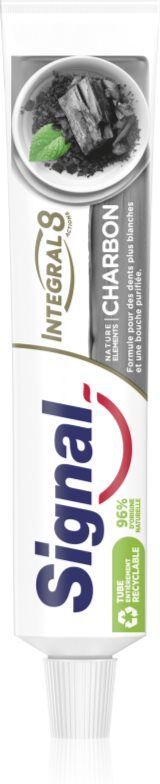
Signal Natural Elements Integral 8 Charcoal dentifrice Charcoal 75 mlSignal Natural Elements Integral 8 Charcoal, 75 ml, Dentifrices mixte, Le dentifrice Signal Natural Elements Integral 8Charcoal assure un soin complet de vos dents et de vos gencives. Il nettoie la plaque dentaire et les restes d’aliments de vos dents, il prend également soin de la gencive et des muqueuses buccales. Le produit : nettoie parfaitement les dents prend soin des gencives limite la formation de plaque dentaire Mode d’emploi : Nettoyez vos dents au moins 2 x par jour avec une brosse de qualité. Appliquez une quantité raisonnable de dentifrice sur la brosse à dents et nettoyez les dents pendant au moins 2 minutes. Rincez ensuite parfaitement votre cavité buccale.4,10 €*Shipping: 3,45 €Secure redirect to the provider


-
What is a redox reaction in steam reforming?
In steam reforming, a redox reaction refers to the simultaneous oxidation and reduction reactions that occur. The oxidation reaction involves the conversion of the hydrocarbons in the feedstock into carbon dioxide and water, while the reduction reaction involves the conversion of water into hydrogen gas. This redox reaction is essential for the production of hydrogen gas, which is a key component in the steam reforming process for the production of hydrogen and other valuable chemicals. **
-
What is a brief explanation for reforming and cracking?
Reforming and cracking are two processes used in the petroleum industry to modify the molecular structure of hydrocarbons. Reforming involves rearranging the molecules of heavier hydrocarbons to produce lighter, more valuable products such as gasoline. Cracking, on the other hand, breaks down larger hydrocarbon molecules into smaller ones, which are also more valuable. Both processes are important in maximizing the yield of high-demand products from crude oil. **
-
What is a brief explanation of reforming and cracking?
Reforming is a process in which hydrocarbons are heated in the presence of a catalyst to break down larger hydrocarbon molecules into smaller ones, typically to produce higher-octane gasoline or hydrogen. Cracking, on the other hand, is a process in which larger hydrocarbon molecules are broken down into smaller, more valuable molecules by the application of heat and pressure. Both processes are important in the petroleum industry for producing high-value products from crude oil. **
-
What are the differences between fractional distillation, cracking, and reforming?
Fractional distillation is a process used to separate different components of a mixture based on their boiling points. It is commonly used in the petroleum industry to separate crude oil into its various components such as gasoline, diesel, and kerosene. Cracking is a process used to break down large hydrocarbon molecules into smaller, more useful ones. This is done by heating the hydrocarbons to high temperatures and breaking the carbon-carbon bonds. Reforming is a process used to rearrange the structure of hydrocarbon molecules to create higher-octane gasoline components. This process is used to improve the quality of gasoline and increase its octane rating. **


Do you prefer smoking with charcoal or with a smoking vessel?
I prefer smoking with charcoal because it gives the food a distinct smoky flavor that is difficult to achieve with a smoking vessel alone. Charcoal also provides a more traditional and authentic smoking experience, and it allows for better control of the temperature and smoke levels. Additionally, I enjoy the process of tending to the charcoal and adjusting it as needed throughout the smoking process. **
What is the difference between charcoal and wood when grilling?
The main difference between charcoal and wood when grilling is the source of heat. Charcoal is made from partially burned wood, and it burns hotter and more consistently than wood. Wood, on the other hand, can impart a smokier flavor to the food being grilled. Charcoal is often preferred for its convenience and ease of use, while wood is favored by those looking to add a distinct smoky flavor to their dishes. **
Top-Angebote
Products related to Reforming:
-
SUPERDRY Doudoune outdoor EverestDétails produit • Longueur : court • Col montant • Fermeture zippée • Capuche fixe réglable par cordon • 2 poches biais • Poignets réglables par bouton-pressions Composition et Entretien • Matière principale : 100% polyester • Doublure : 100% polyester • Garnissage : 100% polyester • Température de lavage 30° cycle délicat • Ne pas repasser / blanchiment interdit • Ne pas sécher en tambour • Pas de nettoyage à sec149,99 €*Shipping: 3,99 €Secure redirect to the provider
-
Signal Natural Elements Integral 8 Charcoal dentifrice Charcoal 75 mlSignal Natural Elements Integral 8 Charcoal, 75 ml, Dentifrices mixte, Le dentifrice Signal Natural Elements Integral 8Charcoal assure un soin complet de vos dents et de vos gencives. Il nettoie la plaque dentaire et les restes d’aliments de vos dents, il prend également soin de la gencive et des muqueuses buccales. Le produit : nettoie parfaitement les dents prend soin des gencives limite la formation de plaque dentaire Mode d’emploi : Nettoyez vos dents au moins 2 x par jour avec une brosse de qualité. Appliquez une quantité raisonnable de dentifrice sur la brosse à dents et nettoyez les dents pendant au moins 2 minutes. Rincez ensuite parfaitement votre cavité buccale.4,10 €*Shipping: 3,45 €Secure redirect to the provider
-
What is platinum reforming in chemistry?
Platinum reforming is a chemical process used in the petroleum industry to convert low-octane naphtha into high-octane gasoline. This process involves the use of a platinum catalyst to rearrange the hydrocarbon molecules in the naphtha, resulting in the production of higher-octane gasoline components. Platinum reforming is an important step in the production of high-quality gasoline, as it helps to improve the performance and efficiency of the fuel. **
-
What is the difference between cracking and reforming?
Cracking and reforming are both processes used in the petroleum industry to convert hydrocarbons into different products, but they serve different purposes. Cracking involves breaking down larger hydrocarbon molecules into smaller ones, typically to produce more valuable products like gasoline. Reforming, on the other hand, involves rearranging the molecular structure of hydrocarbons to create higher-octane products like gasoline or aromatics. In summary, cracking breaks down molecules, while reforming rearranges them to improve their quality. **
-
What is a redox reaction in steam reforming?
In steam reforming, a redox reaction refers to the simultaneous oxidation and reduction reactions that occur. The oxidation reaction involves the conversion of the hydrocarbons in the feedstock into carbon dioxide and water, while the reduction reaction involves the conversion of water into hydrogen gas. This redox reaction is essential for the production of hydrogen gas, which is a key component in the steam reforming process for the production of hydrogen and other valuable chemicals. **
-
What is a brief explanation for reforming and cracking?
Reforming and cracking are two processes used in the petroleum industry to modify the molecular structure of hydrocarbons. Reforming involves rearranging the molecules of heavier hydrocarbons to produce lighter, more valuable products such as gasoline. Cracking, on the other hand, breaks down larger hydrocarbon molecules into smaller ones, which are also more valuable. Both processes are important in maximizing the yield of high-demand products from crude oil. **
Similar search terms for Reforming
-
What is a brief explanation of reforming and cracking?
Reforming is a process in which hydrocarbons are heated in the presence of a catalyst to break down larger hydrocarbon molecules into smaller ones, typically to produce higher-octane gasoline or hydrogen. Cracking, on the other hand, is a process in which larger hydrocarbon molecules are broken down into smaller, more valuable molecules by the application of heat and pressure. Both processes are important in the petroleum industry for producing high-value products from crude oil. **
-
What are the differences between fractional distillation, cracking, and reforming?
Fractional distillation is a process used to separate different components of a mixture based on their boiling points. It is commonly used in the petroleum industry to separate crude oil into its various components such as gasoline, diesel, and kerosene. Cracking is a process used to break down large hydrocarbon molecules into smaller, more useful ones. This is done by heating the hydrocarbons to high temperatures and breaking the carbon-carbon bonds. Reforming is a process used to rearrange the structure of hydrocarbon molecules to create higher-octane gasoline components. This process is used to improve the quality of gasoline and increase its octane rating. **
-
Do you prefer smoking with charcoal or with a smoking vessel?
I prefer smoking with charcoal because it gives the food a distinct smoky flavor that is difficult to achieve with a smoking vessel alone. Charcoal also provides a more traditional and authentic smoking experience, and it allows for better control of the temperature and smoke levels. Additionally, I enjoy the process of tending to the charcoal and adjusting it as needed throughout the smoking process. **
-
What is the difference between charcoal and wood when grilling?
The main difference between charcoal and wood when grilling is the source of heat. Charcoal is made from partially burned wood, and it burns hotter and more consistently than wood. Wood, on the other hand, can impart a smokier flavor to the food being grilled. Charcoal is often preferred for its convenience and ease of use, while wood is favored by those looking to add a distinct smoky flavor to their dishes. **
* All prices are inclusive of VAT and, if applicable, plus shipping costs. The offer information is based on the details provided by the respective shop and is updated through automated processes. Real-time updates do not occur, so deviations can occur in individual cases. ** Note: Parts of this content were created by AI.