Buy kopa-houtskooloven.be ?
We are moving the project
kopa-houtskooloven.be .
Are you interested in purchasing the domain
kopa-houtskooloven.be ?
domain@kv-gmbh.de · 0541-91531010
Buy kopa-houtskooloven.be ?
How is the partitive formed?
The partitive is formed in French by using the preposition "de" followed by the definite article "le," "la," or "les." This combination contracts to form "du," "de la," or "des" before a singular or plural noun, respectively. For example, "some bread" is "du pain" and "some apples" is "des pommes." The partitive is used to indicate an unspecified quantity or portion of a mass noun. **
What is the French partitive article?
The French partitive article is used to indicate an unspecified quantity of a noun that cannot be counted. It is formed by combining the preposition "de" with the definite article corresponding to the noun's gender and number. For example, "du" is used with masculine singular nouns, "de la" with feminine singular nouns, and "des" with plural nouns. The partitive article is used in French to express concepts like some, any, or a part of something. **

Similar search terms for Partitive
Top-Angebote
Products related to Partitive:
-
vidaXL Tapis de cuisine lavable texte Cooking 45x150 cm veloursCe tapis de cuisine est extrêmement doux et moelleux, et son design élégant attire tous les regards dans votre intérieur. Matériau durable : le dessus du tapis de cuisine est recouvert d'un tissu de velours doux qui absorbe rapidement l'eau et la saleté. La base en latex antidérapante assure que le tapis de cuisine adhère fermement au sol pour plus de sécurité. Lavable en machine : vous pouvez facilement nettoyer le tapis de sol de cuisine car il est lavable en machine. Rangement pratique : le tapis est flexible et peut être facilement enroulé pour le rangement et le transport.23,80 €*Shipping: 0,00 €Secure redirect to the provider
-
Smoking Hot van Kilian Uniseks Eau de Parfum 50mlSmoking Hot van By Kilian is een Oriëntaalse Kruidige geur voor dames en heren. Dit is een nieuwe geur. Smoking Hot werd gelanceerd in 2023. De neus achter deze geur is Mathieu Nardin. Topnoten zijn Appel, Kaneel en Rook; hartnoten zijn Tabak, Vanille en Mos; basisnoten zijn Bourbon Vanille, Orcanoxandtrade;, Zoethout, Iso E Super en Muskaatsalie.185,00 €*Shipping: 0,00 €Secure redirect to the provider
-
bdk Parfums Rouge Smoking Eau de Parfum mixte 50 mlbdk Parfums Rouge Smoking, 50 ml, Eaux de Parfum mixte, Fraîche et mystérieuse, moderne et à la fois hors du temps ! Il s'agit bien de l'eau de parfum mixte bdk Parfums Rouge Smoking dont la composition parfumée est parfaite pour les femmes comme pour les hommes. pour celles et ceux qui n'ont pas peur de sortir des sentiers battus pour les femmes comme pour les hommes125,60 €*Shipping: 3,45 €Secure redirect to the provider
-
bdk Parfums Rouge Smoking Eau de Parfum mixte 10 mlbdk Parfums Rouge Smoking, 10 ml, Eaux de Parfum mixte, Fraîche et mystérieuse, moderne et à la fois hors du temps ! Il s'agit bien de l'eau de parfum mixte bdk Parfums Rouge Smoking dont la composition parfumée est parfaite pour les femmes comme pour les hommes. pour celles et ceux qui n'ont pas peur de sortir des sentiers battus pour les femmes comme pour les hommes57,00 €*Shipping: 3,45 €Secure redirect to the provider


-
What are partitive articles in the French language?
Partitive articles in French are used to indicate an unspecified quantity of a noun. They are used when referring to a portion or some of a mass noun, such as food or liquid. The partitive articles in French are "du" (for masculine nouns), "de la" (for feminine nouns), and "de l'" (for nouns starting with a vowel or silent "h"). These articles are essential for expressing the concept of some or any in French. **
-
What is the rule for the partitive article?
The rule for the partitive article in French is to use "de" followed by the definite article (le, la, les) to indicate an unspecified quantity or some of a mass noun. For example, "du" is used for masculine singular nouns, "de la" for feminine singular nouns, and "des" for plural nouns. The partitive article is used when referring to an unknown or unspecified quantity of something. **
-
How do you form the genitive partitive in Latin?
In Latin, the genitive partitive is formed by using the genitive case of the noun followed by the word "partis" or "partis" (depending on the gender of the noun) to indicate a part of the whole. For example, if the noun is "puella" (girl), the genitive partitive would be "puellae partis" to indicate "part of the girl." This construction is used to express the idea of "some of" or "a part of" something. **
-
What are partitive articles and quantity increases in French?
Partitive articles in French are used to indicate an unspecified quantity of a noun. They are used with uncountable nouns or when referring to a portion of something. Quantity increases in French involve using words like "plus de" (more), "beaucoup de" (a lot of), or "trop de" (too much) to indicate an increase in the quantity of something. These expressions are used to specify a larger amount of a noun compared to using just the partitive article. **
When do you use the partitive article in French?
The partitive article in French is used to indicate an unspecified quantity of a mass noun. It is used when referring to a part of a whole, or an unspecified amount of something. For example, "du" is used for masculine nouns, "de la" for feminine nouns, and "de l'" for nouns starting with a vowel or silent "h". It is important to use the partitive article when talking about food, drinks, or other uncountable nouns in French. **
Can you please help me with the partitive article?
The partitive article is used in French to indicate an unspecified quantity of something. It is often used with uncountable nouns to express "some" or "any" in English. The partitive article changes depending on the gender and number of the noun it precedes. For example, "du" is used before masculine singular nouns, "de la" before feminine singular nouns, and "des" before plural nouns. It is important to use the correct partitive article to indicate the appropriate quantity in French. **
Top-Angebote
Products related to Partitive:
-
SUPERDRY Doudoune outdoor EverestDétails produit • Longueur : court • Col montant • Fermeture zippée • Capuche fixe réglable par cordon • 2 poches biais • Poignets réglables par bouton-pressions Composition et Entretien • Matière principale : 100% polyester • Doublure : 100% polyester • Garnissage : 100% polyester • Température de lavage 30° cycle délicat • Ne pas repasser / blanchiment interdit • Ne pas sécher en tambour • Pas de nettoyage à sec149,99 €*Shipping: 3,99 €Secure redirect to the provider
-
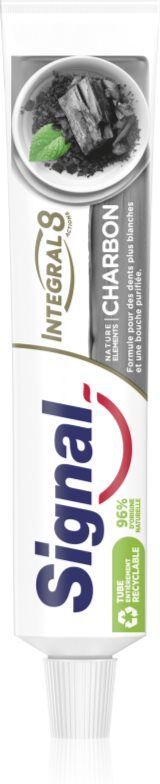
Signal Natural Elements Integral 8 Charcoal dentifrice Charcoal 75 mlSignal Natural Elements Integral 8 Charcoal, 75 ml, Dentifrices mixte, Le dentifrice Signal Natural Elements Integral 8Charcoal assure un soin complet de vos dents et de vos gencives. Il nettoie la plaque dentaire et les restes d’aliments de vos dents, il prend également soin de la gencive et des muqueuses buccales. Le produit : nettoie parfaitement les dents prend soin des gencives limite la formation de plaque dentaire Mode d’emploi : Nettoyez vos dents au moins 2 x par jour avec une brosse de qualité. Appliquez une quantité raisonnable de dentifrice sur la brosse à dents et nettoyez les dents pendant au moins 2 minutes. Rincez ensuite parfaitement votre cavité buccale.4,10 €*Shipping: 3,45 €Secure redirect to the provider
-
vidaXL Tapis de cuisine lavable texte Cooking 45x150 cm veloursCe tapis de cuisine est extrêmement doux et moelleux, et son design élégant attire tous les regards dans votre intérieur. Matériau durable : le dessus du tapis de cuisine est recouvert d'un tissu de velours doux qui absorbe rapidement l'eau et la saleté. La base en latex antidérapante assure que le tapis de cuisine adhère fermement au sol pour plus de sécurité. Lavable en machine : vous pouvez facilement nettoyer le tapis de sol de cuisine car il est lavable en machine. Rangement pratique : le tapis est flexible et peut être facilement enroulé pour le rangement et le transport.23,80 €*Shipping: 0,00 €Secure redirect to the provider
-
Smoking Hot van Kilian Uniseks Eau de Parfum 50mlSmoking Hot van By Kilian is een Oriëntaalse Kruidige geur voor dames en heren. Dit is een nieuwe geur. Smoking Hot werd gelanceerd in 2023. De neus achter deze geur is Mathieu Nardin. Topnoten zijn Appel, Kaneel en Rook; hartnoten zijn Tabak, Vanille en Mos; basisnoten zijn Bourbon Vanille, Orcanoxandtrade;, Zoethout, Iso E Super en Muskaatsalie.185,00 €*Shipping: 0,00 €Secure redirect to the provider
-
How is the partitive formed?
The partitive is formed in French by using the preposition "de" followed by the definite article "le," "la," or "les." This combination contracts to form "du," "de la," or "des" before a singular or plural noun, respectively. For example, "some bread" is "du pain" and "some apples" is "des pommes." The partitive is used to indicate an unspecified quantity or portion of a mass noun. **
-
What is the French partitive article?
The French partitive article is used to indicate an unspecified quantity of a noun that cannot be counted. It is formed by combining the preposition "de" with the definite article corresponding to the noun's gender and number. For example, "du" is used with masculine singular nouns, "de la" with feminine singular nouns, and "des" with plural nouns. The partitive article is used in French to express concepts like some, any, or a part of something. **
-
What are partitive articles in the French language?
Partitive articles in French are used to indicate an unspecified quantity of a noun. They are used when referring to a portion or some of a mass noun, such as food or liquid. The partitive articles in French are "du" (for masculine nouns), "de la" (for feminine nouns), and "de l'" (for nouns starting with a vowel or silent "h"). These articles are essential for expressing the concept of some or any in French. **
-
What is the rule for the partitive article?
The rule for the partitive article in French is to use "de" followed by the definite article (le, la, les) to indicate an unspecified quantity or some of a mass noun. For example, "du" is used for masculine singular nouns, "de la" for feminine singular nouns, and "des" for plural nouns. The partitive article is used when referring to an unknown or unspecified quantity of something. **
Similar search terms for Partitive
-
bdk Parfums Rouge Smoking Eau de Parfum mixte 50 mlbdk Parfums Rouge Smoking, 50 ml, Eaux de Parfum mixte, Fraîche et mystérieuse, moderne et à la fois hors du temps ! Il s'agit bien de l'eau de parfum mixte bdk Parfums Rouge Smoking dont la composition parfumée est parfaite pour les femmes comme pour les hommes. pour celles et ceux qui n'ont pas peur de sortir des sentiers battus pour les femmes comme pour les hommes125,60 €*Shipping: 3,45 €Secure redirect to the provider
-
bdk Parfums Rouge Smoking Eau de Parfum mixte 10 mlbdk Parfums Rouge Smoking, 10 ml, Eaux de Parfum mixte, Fraîche et mystérieuse, moderne et à la fois hors du temps ! Il s'agit bien de l'eau de parfum mixte bdk Parfums Rouge Smoking dont la composition parfumée est parfaite pour les femmes comme pour les hommes. pour celles et ceux qui n'ont pas peur de sortir des sentiers battus pour les femmes comme pour les hommes57,00 €*Shipping: 3,45 €Secure redirect to the provider
-
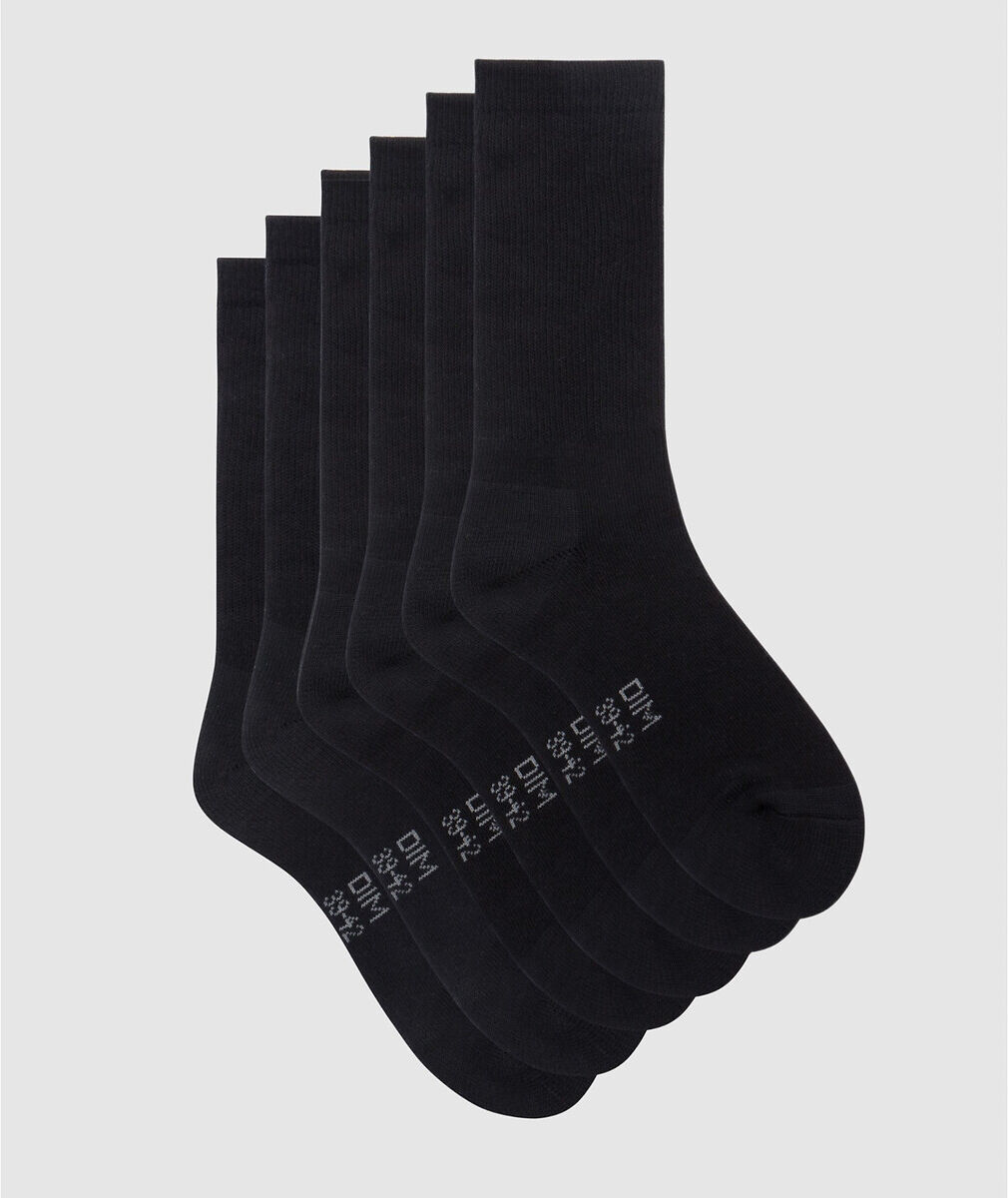
DIM Lot de 3 paires de chaussettes OutdoorDétails produit • Lot de 3 • Mi-chaussettes Composition et Entretien • 72% coton, 24% polyester, 3% elastodiene, 1% élasthanne • Pour l'entretien, merci de vous référer aux indications figurant sur l'étiquette du produit • OEKO-TEX® Standard 100. La labellisation OEKO-TEX® Standard 100 contrôle les substances nocives des produits textiles via un label indépendant et international. Fiche produit relative aux qualités et caractéristiques environnementales • Origine de fabrication (tissage, teinture, confection) : Chine Dernière mise à jour des informations : 02/04/202615,38 €*Shipping: 3,99 €Secure redirect to the provider
-
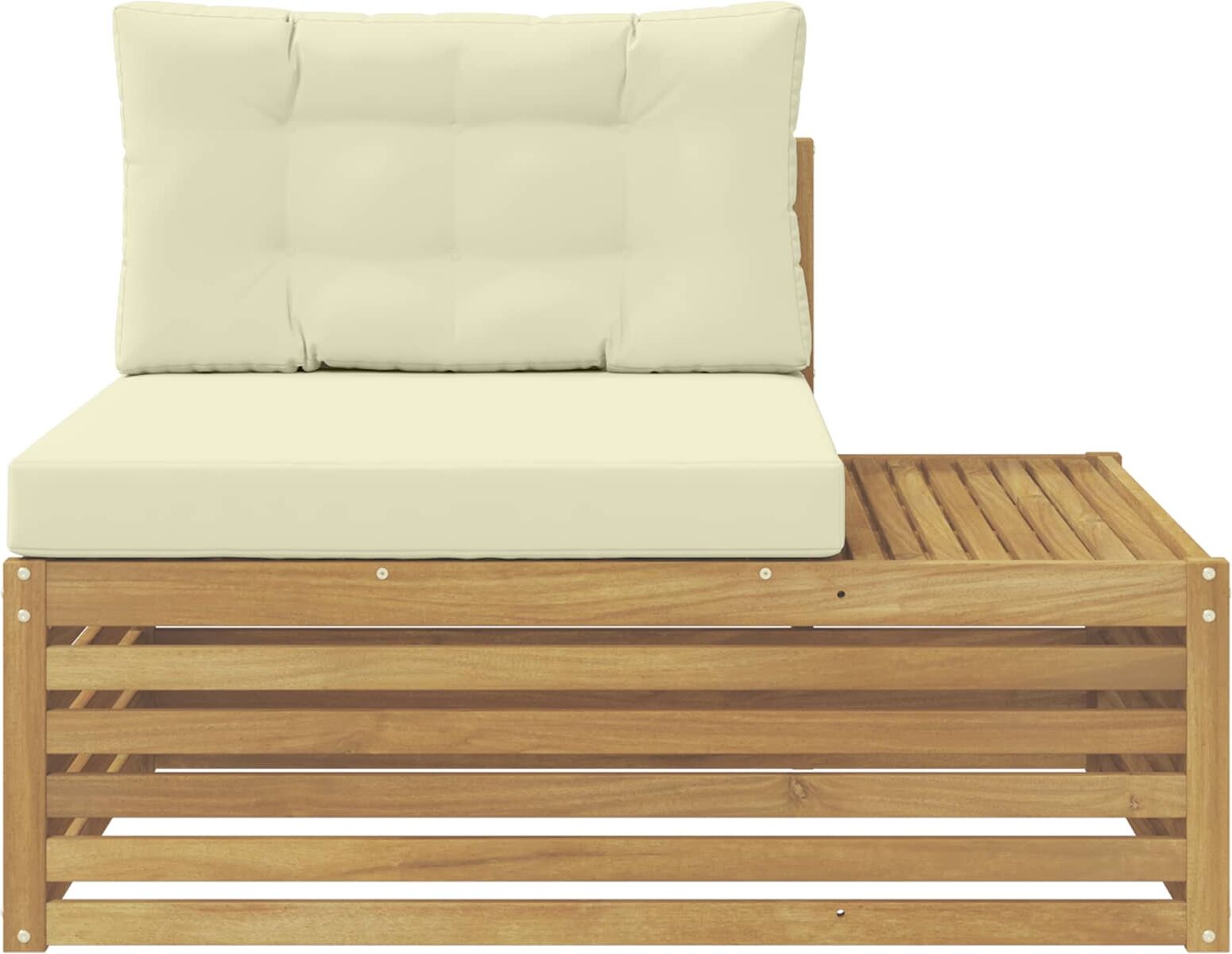
vidaXL Outdoor End sofa Bois d'Acacia Massif BlancCe mobilier d'extérieur s'intègre facilement dans n'importe quel jardin, apportant une touche contemporaine qui marie simplicité et praticité. Fabriqué en bois massif d'acacia, ses lignes nettes en font un point focal sympa pour vos espaces extérieurs. Il est conçu pour résister aux intempéries et s'adapte sans effort à différents décors tout en embellissant l'ensemble de l'espace. Bois d'acacia massif : 100% en bois d'acacia robuste, ce meuble a une durabilité incroyable et résiste bien aux conditions extérieures. Le grain naturel du bois y ajoute une touche d'élégance, ce qui en fait un choix à la fois chic et pratique pour l'extérieur. Design polyvalent : Chaque pièce est pensée pour être flexible, s’ajustant facilement à divers agencements et besoins extérieurs. Ce design adaptable convient à plusieurs situations et cadres. Design à lattes moderne : Parfait pour les espaces modernes, le design à lattes améliore la circulation de l’air, permettant au bois de sécher plus vite après la pluie tout en garantissant confort et durabilité. Fonctionnalité extérieure : Ce meuble est conçu pour un usage extérieur et résiste à tous les types de météo tout en gardant sa beauté et sa praticité. Idéal pour les jardins, patios et tous les espaces extérieurs. Entretien facile : Pour qu'il reste en bon état, il suffit d’essuyer la surface avec un chiffon humide pour enlever la poussière et les salissures. Cette routine simple aide à préserver son apparence avec le temps.148,99 €*Shipping: 0,00 €Secure redirect to the provider
-
How do you form the genitive partitive in Latin?
In Latin, the genitive partitive is formed by using the genitive case of the noun followed by the word "partis" or "partis" (depending on the gender of the noun) to indicate a part of the whole. For example, if the noun is "puella" (girl), the genitive partitive would be "puellae partis" to indicate "part of the girl." This construction is used to express the idea of "some of" or "a part of" something. **
-
What are partitive articles and quantity increases in French?
Partitive articles in French are used to indicate an unspecified quantity of a noun. They are used with uncountable nouns or when referring to a portion of something. Quantity increases in French involve using words like "plus de" (more), "beaucoup de" (a lot of), or "trop de" (too much) to indicate an increase in the quantity of something. These expressions are used to specify a larger amount of a noun compared to using just the partitive article. **
-
When do you use the partitive article in French?
The partitive article in French is used to indicate an unspecified quantity of a mass noun. It is used when referring to a part of a whole, or an unspecified amount of something. For example, "du" is used for masculine nouns, "de la" for feminine nouns, and "de l'" for nouns starting with a vowel or silent "h". It is important to use the partitive article when talking about food, drinks, or other uncountable nouns in French. **
-
Can you please help me with the partitive article?
The partitive article is used in French to indicate an unspecified quantity of something. It is often used with uncountable nouns to express "some" or "any" in English. The partitive article changes depending on the gender and number of the noun it precedes. For example, "du" is used before masculine singular nouns, "de la" before feminine singular nouns, and "des" before plural nouns. It is important to use the correct partitive article to indicate the appropriate quantity in French. **
* All prices are inclusive of VAT and, if applicable, plus shipping costs. The offer information is based on the details provided by the respective shop and is updated through automated processes. Real-time updates do not occur, so deviations can occur in individual cases. ** Note: Parts of this content were created by AI.