Buy kopa-houtskooloven.be ?
We are moving the project
kopa-houtskooloven.be .
Are you interested in purchasing the domain
kopa-houtskooloven.be ?
domain@kv-gmbh.de · 0541-91531010
Buy kopa-houtskooloven.be ?
What are Byzantine relations?
Byzantine relations refer to the diplomatic, political, and cultural interactions between the Byzantine Empire and other states or entities. These relations were crucial for the Byzantine Empire's survival and influence, as they involved alliances, treaties, trade agreements, and military cooperation with neighboring powers such as the Roman Empire, Persia, Arab Caliphates, and various European kingdoms. Byzantine relations also involved religious and cultural exchanges, as the Byzantine Empire played a significant role in spreading Christianity and preserving classical knowledge. These relations were often complex and constantly evolving, shaping the empire's foreign policy and its place in the wider world. **
Does anyone know of a Byzantine goat?
There is no specific mention of a "Byzantine goat" in historical records or literature. However, goats were commonly raised and used for their milk, meat, and wool in the Byzantine Empire. They were an important part of the agricultural economy and daily life of the Byzantine people. While there may not be a specific goat known as the "Byzantine goat," goats were certainly a familiar sight in Byzantine society. **

Similar search terms for Byzantine
Top-Angebote
Products related to Byzantine:
-
SUPERDRY Doudoune outdoor EverestDétails produit • Longueur : court • Col montant • Fermeture zippée • Capuche fixe réglable par cordon • 2 poches biais • Poignets réglables par bouton-pressions Composition et Entretien • Matière principale : 100% polyester • Doublure : 100% polyester • Garnissage : 100% polyester • Température de lavage 30° cycle délicat • Ne pas repasser / blanchiment interdit • Ne pas sécher en tambour • Pas de nettoyage à sec149,99 €*Shipping: 3,99 €Secure redirect to the provider
-
Signal Natural Elements Integral 8 Charcoal dentifrice Charcoal 75 mlSignal Natural Elements Integral 8 Charcoal, 75 ml, Dentifrices mixte, Le dentifrice Signal Natural Elements Integral 8Charcoal assure un soin complet de vos dents et de vos gencives. Il nettoie la plaque dentaire et les restes d’aliments de vos dents, il prend également soin de la gencive et des muqueuses buccales. Le produit : nettoie parfaitement les dents prend soin des gencives limite la formation de plaque dentaire Mode d’emploi : Nettoyez vos dents au moins 2 x par jour avec une brosse de qualité. Appliquez une quantité raisonnable de dentifrice sur la brosse à dents et nettoyez les dents pendant au moins 2 minutes. Rincez ensuite parfaitement votre cavité buccale.4,10 €*Shipping: 3,45 €Secure redirect to the provider
-
vidaXL Tapis de cuisine lavable texte Cooking 45x150 cm veloursCe tapis de cuisine est extrêmement doux et moelleux, et son design élégant attire tous les regards dans votre intérieur. Matériau durable : le dessus du tapis de cuisine est recouvert d'un tissu de velours doux qui absorbe rapidement l'eau et la saleté. La base en latex antidérapante assure que le tapis de cuisine adhère fermement au sol pour plus de sécurité. Lavable en machine : vous pouvez facilement nettoyer le tapis de sol de cuisine car il est lavable en machine. Rangement pratique : le tapis est flexible et peut être facilement enroulé pour le rangement et le transport.23,80 €*Shipping: 0,00 €Secure redirect to the provider
-
Smoking Hot van Kilian Uniseks Eau de Parfum 50mlSmoking Hot van By Kilian is een Oriëntaalse Kruidige geur voor dames en heren. Dit is een nieuwe geur. Smoking Hot werd gelanceerd in 2023. De neus achter deze geur is Mathieu Nardin. Topnoten zijn Appel, Kaneel en Rook; hartnoten zijn Tabak, Vanille en Mos; basisnoten zijn Bourbon Vanille, Orcanoxandtrade;, Zoethout, Iso E Super en Muskaatsalie.185,00 €*Shipping: 0,00 €Secure redirect to the provider




-
What is meant by the Byzantine bureaucracy?
The Byzantine bureaucracy refers to the administrative system of the Byzantine Empire, which was highly organized and centralized. It was characterized by a complex hierarchy of officials and administrators who were responsible for managing the empire's vast territories, collecting taxes, enforcing laws, and overseeing various aspects of governance. The bureaucracy played a crucial role in maintaining the stability and functioning of the Byzantine state, and it was known for its efficiency and effectiveness in managing the empire's affairs. The Byzantine bureaucracy was also known for its use of intricate protocols and formalities, which contributed to the empire's reputation for elaborate ceremonial and court etiquette. **
-
Was the Byzantine Empire more Roman or Greek?
The Byzantine Empire was a blend of both Roman and Greek influences. While it was founded by the Roman Emperor Constantine and maintained Roman administrative structures, it also adopted many aspects of Greek culture, language, and art. The Byzantine Empire's official language was Greek, and its Christian religion was heavily influenced by Greek Orthodox traditions. Overall, the Byzantine Empire can be seen as a continuation of the Roman Empire with strong Greek cultural influences. **
-
Are there differences between the Roman and Byzantine Empires?
Yes, there are several differences between the Roman and Byzantine Empires. The Roman Empire was known for its vast territorial expansion and emphasis on military conquest, while the Byzantine Empire focused more on maintaining and consolidating its existing territories. The Roman Empire was predominantly pagan before adopting Christianity, while the Byzantine Empire was a stronghold of Christianity. Additionally, the Byzantine Empire had a more centralized and bureaucratic government compared to the Roman Empire's more decentralized system. **
-
Could the Byzantine Empire have restored the Roman Empire?
The Byzantine Empire, also known as the Eastern Roman Empire, was a continuation of the Roman Empire in the east. While the Byzantine Empire did manage to preserve many aspects of Roman culture and institutions, it faced numerous challenges that made restoring the Roman Empire in its entirety unlikely. The Western Roman Empire had already collapsed by the time the Byzantine Empire reached its height, and the Byzantines faced constant threats from external invasions, internal strife, and economic difficulties. Additionally, the Byzantine Empire had a different cultural and religious identity than the Western Roman Empire, making a full restoration of the Roman Empire under Byzantine rule improbable. **


What nationality did the Byzantine Emperor Justinian I have?
Byzantine Emperor Justinian I was of Illyrian descent, which is an ancient ethnic group that inhabited the western Balkans. Illyrians were known for their warrior culture and were one of the earliest known groups to inhabit the region. Justinian I was born in Tauresium, Illyria, which is located in modern-day North Macedonia. **
What was the nationality of the Byzantine Emperor Justinian I?
Justinian I was a Byzantine Emperor, and the Byzantine Empire was the continuation of the Eastern Roman Empire. Therefore, Justinian I was of Roman nationality, as the Byzantine Empire considered itself the rightful heir to the Roman Empire. However, it is important to note that during Justinian's time, the concept of nationality was different from how we understand it today, and the people of the Byzantine Empire identified themselves as Romans. **
Top-Angebote
Products related to Byzantine:
-
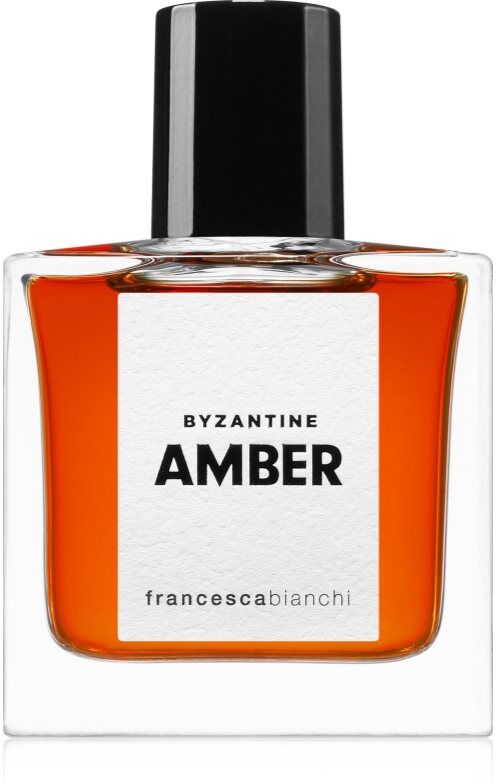
Francesca Bianchi Byzantine Amber extrait de parfum mixte 100 mlFrancesca Bianchi Byzantine Amber, 100 ml, Parfums mixte, Offrez-vous un parfum qui vous rendra unique où que vous soyez. Le parfum mixte Francesca Bianchi Byzantine Amber est l’incarnation même du luxe et de l’exclusivité. Sa composition aromatique très élaborée plaira aux plus exigeants. parfum qui ne suit pas les tendances pour celles et ceux qui n'ont pas peur de sortir des sentiers battus mixte : tant pour les femmes que pour les hommes140,80 €*Shipping: 3,45 €Secure redirect to the provider
-
Francesca Bianchi Byzantine Amber extrait de parfum mixte 30 mlFrancesca Bianchi Byzantine Amber, 30 ml, Parfums mixte, Offrez-vous un parfum qui vous rendra unique où que vous soyez. Le parfum mixte Francesca Bianchi Byzantine Amber est l’incarnation même du luxe et de l’exclusivité. Sa composition aromatique très élaborée plaira aux plus exigeants. parfum qui ne suit pas les tendances pour celles et ceux qui n'ont pas peur de sortir des sentiers battus mixte : tant pour les femmes que pour les hommes75,90 €*Shipping: 3,45 €Secure redirect to the provider
-
SUPERDRY Doudoune outdoor EverestDétails produit • Longueur : court • Col montant • Fermeture zippée • Capuche fixe réglable par cordon • 2 poches biais • Poignets réglables par bouton-pressions Composition et Entretien • Matière principale : 100% polyester • Doublure : 100% polyester • Garnissage : 100% polyester • Température de lavage 30° cycle délicat • Ne pas repasser / blanchiment interdit • Ne pas sécher en tambour • Pas de nettoyage à sec149,99 €*Shipping: 3,99 €Secure redirect to the provider
-
Signal Natural Elements Integral 8 Charcoal dentifrice Charcoal 75 mlSignal Natural Elements Integral 8 Charcoal, 75 ml, Dentifrices mixte, Le dentifrice Signal Natural Elements Integral 8Charcoal assure un soin complet de vos dents et de vos gencives. Il nettoie la plaque dentaire et les restes d’aliments de vos dents, il prend également soin de la gencive et des muqueuses buccales. Le produit : nettoie parfaitement les dents prend soin des gencives limite la formation de plaque dentaire Mode d’emploi : Nettoyez vos dents au moins 2 x par jour avec une brosse de qualité. Appliquez une quantité raisonnable de dentifrice sur la brosse à dents et nettoyez les dents pendant au moins 2 minutes. Rincez ensuite parfaitement votre cavité buccale.4,10 €*Shipping: 3,45 €Secure redirect to the provider
-
What are Byzantine relations?
Byzantine relations refer to the diplomatic, political, and cultural interactions between the Byzantine Empire and other states or entities. These relations were crucial for the Byzantine Empire's survival and influence, as they involved alliances, treaties, trade agreements, and military cooperation with neighboring powers such as the Roman Empire, Persia, Arab Caliphates, and various European kingdoms. Byzantine relations also involved religious and cultural exchanges, as the Byzantine Empire played a significant role in spreading Christianity and preserving classical knowledge. These relations were often complex and constantly evolving, shaping the empire's foreign policy and its place in the wider world. **
-
Does anyone know of a Byzantine goat?
There is no specific mention of a "Byzantine goat" in historical records or literature. However, goats were commonly raised and used for their milk, meat, and wool in the Byzantine Empire. They were an important part of the agricultural economy and daily life of the Byzantine people. While there may not be a specific goat known as the "Byzantine goat," goats were certainly a familiar sight in Byzantine society. **
-
What is meant by the Byzantine bureaucracy?
The Byzantine bureaucracy refers to the administrative system of the Byzantine Empire, which was highly organized and centralized. It was characterized by a complex hierarchy of officials and administrators who were responsible for managing the empire's vast territories, collecting taxes, enforcing laws, and overseeing various aspects of governance. The bureaucracy played a crucial role in maintaining the stability and functioning of the Byzantine state, and it was known for its efficiency and effectiveness in managing the empire's affairs. The Byzantine bureaucracy was also known for its use of intricate protocols and formalities, which contributed to the empire's reputation for elaborate ceremonial and court etiquette. **
-
Was the Byzantine Empire more Roman or Greek?
The Byzantine Empire was a blend of both Roman and Greek influences. While it was founded by the Roman Emperor Constantine and maintained Roman administrative structures, it also adopted many aspects of Greek culture, language, and art. The Byzantine Empire's official language was Greek, and its Christian religion was heavily influenced by Greek Orthodox traditions. Overall, the Byzantine Empire can be seen as a continuation of the Roman Empire with strong Greek cultural influences. **
Similar search terms for Byzantine
-
vidaXL Tapis de cuisine lavable texte Cooking 45x150 cm veloursCe tapis de cuisine est extrêmement doux et moelleux, et son design élégant attire tous les regards dans votre intérieur. Matériau durable : le dessus du tapis de cuisine est recouvert d'un tissu de velours doux qui absorbe rapidement l'eau et la saleté. La base en latex antidérapante assure que le tapis de cuisine adhère fermement au sol pour plus de sécurité. Lavable en machine : vous pouvez facilement nettoyer le tapis de sol de cuisine car il est lavable en machine. Rangement pratique : le tapis est flexible et peut être facilement enroulé pour le rangement et le transport.23,80 €*Shipping: 0,00 €Secure redirect to the provider
-
Smoking Hot van Kilian Uniseks Eau de Parfum 50mlSmoking Hot van By Kilian is een Oriëntaalse Kruidige geur voor dames en heren. Dit is een nieuwe geur. Smoking Hot werd gelanceerd in 2023. De neus achter deze geur is Mathieu Nardin. Topnoten zijn Appel, Kaneel en Rook; hartnoten zijn Tabak, Vanille en Mos; basisnoten zijn Bourbon Vanille, Orcanoxandtrade;, Zoethout, Iso E Super en Muskaatsalie.185,00 €*Shipping: 0,00 €Secure redirect to the provider
-
bdk Parfums Rouge Smoking Eau de Parfum mixte 50 mlbdk Parfums Rouge Smoking, 50 ml, Eaux de Parfum mixte, Fraîche et mystérieuse, moderne et à la fois hors du temps ! Il s'agit bien de l'eau de parfum mixte bdk Parfums Rouge Smoking dont la composition parfumée est parfaite pour les femmes comme pour les hommes. pour celles et ceux qui n'ont pas peur de sortir des sentiers battus pour les femmes comme pour les hommes125,60 €*Shipping: 3,45 €Secure redirect to the provider
-
bdk Parfums Rouge Smoking Eau de Parfum mixte 10 mlbdk Parfums Rouge Smoking, 10 ml, Eaux de Parfum mixte, Fraîche et mystérieuse, moderne et à la fois hors du temps ! Il s'agit bien de l'eau de parfum mixte bdk Parfums Rouge Smoking dont la composition parfumée est parfaite pour les femmes comme pour les hommes. pour celles et ceux qui n'ont pas peur de sortir des sentiers battus pour les femmes comme pour les hommes57,00 €*Shipping: 3,45 €Secure redirect to the provider
-
Are there differences between the Roman and Byzantine Empires?
Yes, there are several differences between the Roman and Byzantine Empires. The Roman Empire was known for its vast territorial expansion and emphasis on military conquest, while the Byzantine Empire focused more on maintaining and consolidating its existing territories. The Roman Empire was predominantly pagan before adopting Christianity, while the Byzantine Empire was a stronghold of Christianity. Additionally, the Byzantine Empire had a more centralized and bureaucratic government compared to the Roman Empire's more decentralized system. **
-
Could the Byzantine Empire have restored the Roman Empire?
The Byzantine Empire, also known as the Eastern Roman Empire, was a continuation of the Roman Empire in the east. While the Byzantine Empire did manage to preserve many aspects of Roman culture and institutions, it faced numerous challenges that made restoring the Roman Empire in its entirety unlikely. The Western Roman Empire had already collapsed by the time the Byzantine Empire reached its height, and the Byzantines faced constant threats from external invasions, internal strife, and economic difficulties. Additionally, the Byzantine Empire had a different cultural and religious identity than the Western Roman Empire, making a full restoration of the Roman Empire under Byzantine rule improbable. **
-
What nationality did the Byzantine Emperor Justinian I have?
Byzantine Emperor Justinian I was of Illyrian descent, which is an ancient ethnic group that inhabited the western Balkans. Illyrians were known for their warrior culture and were one of the earliest known groups to inhabit the region. Justinian I was born in Tauresium, Illyria, which is located in modern-day North Macedonia. **
-
What was the nationality of the Byzantine Emperor Justinian I?
Justinian I was a Byzantine Emperor, and the Byzantine Empire was the continuation of the Eastern Roman Empire. Therefore, Justinian I was of Roman nationality, as the Byzantine Empire considered itself the rightful heir to the Roman Empire. However, it is important to note that during Justinian's time, the concept of nationality was different from how we understand it today, and the people of the Byzantine Empire identified themselves as Romans. **
* All prices are inclusive of VAT and, if applicable, plus shipping costs. The offer information is based on the details provided by the respective shop and is updated through automated processes. Real-time updates do not occur, so deviations can occur in individual cases. ** Note: Parts of this content were created by AI.