Buy kopa-houtskooloven.be ?
We are moving the project
kopa-houtskooloven.be .
Are you interested in purchasing the domain
kopa-houtskooloven.be ?
domain@kv-gmbh.de · 0541-91531010
Buy kopa-houtskooloven.be ?
What are sigma and pi bonds in chemistry?
In chemistry, sigma and pi bonds are types of covalent bonds that hold atoms together in a molecule. A sigma bond is formed by the direct overlap of atomic orbitals, allowing for the free rotation of atoms around the bond axis. On the other hand, a pi bond is formed by the side-to-side overlap of p orbitals, which restricts the rotation of atoms around the bond axis. Both types of bonds are important for understanding the structure and properties of molecules. **
What are the differences between covalent bonds, metallic bonds, and ionic bonds?
Covalent bonds are formed when two atoms share electrons, resulting in a strong bond between the atoms. Metallic bonds occur between metal atoms, where the electrons are delocalized and free to move throughout the structure, creating a strong bond. Ionic bonds are formed between a metal and a nonmetal, where one atom transfers electrons to the other, resulting in the formation of positively and negatively charged ions that are attracted to each other. Overall, covalent bonds involve electron sharing, metallic bonds involve electron delocalization, and ionic bonds involve electron transfer. **

Similar search terms for Pi-bonds
Top-Angebote
Products related to Pi-bonds:
-
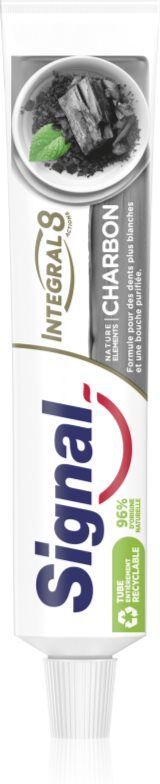
Signal Natural Elements Integral 8 Charcoal dentifrice Charcoal 75 mlSignal Natural Elements Integral 8 Charcoal, 75 ml, Dentifrices mixte, Le dentifrice Signal Natural Elements Integral 8Charcoal assure un soin complet de vos dents et de vos gencives. Il nettoie la plaque dentaire et les restes d’aliments de vos dents, il prend également soin de la gencive et des muqueuses buccales. Le produit : nettoie parfaitement les dents prend soin des gencives limite la formation de plaque dentaire Mode d’emploi : Nettoyez vos dents au moins 2 x par jour avec une brosse de qualité. Appliquez une quantité raisonnable de dentifrice sur la brosse à dents et nettoyez les dents pendant au moins 2 minutes. Rincez ensuite parfaitement votre cavité buccale.4,10 €*Shipping: 3,45 €Secure redirect to the provider
-
ADIDAS SPORTSWEAR Polaire demi-zip Urban OutdoorDétails produit • Col montant • Manches longues • Fermeture zippée • Longueur : standard Composition et Entretien • 100% polyester • Pour l'entretien, merci de vous référer aux indications figurant sur l'étiquette du produit52,00 €*Shipping: 3,99 €Secure redirect to the provider
-
Smoking Hot van Kilian Uniseks Eau de Parfum 50mlSmoking Hot van By Kilian is een Oriëntaalse Kruidige geur voor dames en heren. Dit is een nieuwe geur. Smoking Hot werd gelanceerd in 2023. De neus achter deze geur is Mathieu Nardin. Topnoten zijn Appel, Kaneel en Rook; hartnoten zijn Tabak, Vanille en Mos; basisnoten zijn Bourbon Vanille, Orcanoxandtrade;, Zoethout, Iso E Super en Muskaatsalie.185,00 €*Shipping: 0,00 €Secure redirect to the provider
-
LA REDOUTE INTERIEURS Guirlande lumineuse indoor/outdoor, MastiComme un air de guinguette. C'est fou comme une simple guirlande lumineuse peut transformer l'atmosphère d'un lieu, à l'intérieur comme à l'extérieur.Description • Guirlande lumineuse de 120 LEDs • 8 fonctions effet clignotant • Pour usage intérieur ou extérieur • Livrée avec transformateur Dimensions • Longueur : 9 m Dimensions et poids des colis 1 colis • L20 x H10 x P10 cm, 0,5 kg19,99 €*Shipping: 3,99 €Secure redirect to the provider



-
Do CO bonds form with other CO bonds?
No, CO bonds do not typically form with other CO bonds. Carbon monoxide (CO) is a stable molecule with a triple bond between the carbon and oxygen atoms. This triple bond is strong and does not readily form additional bonds with other CO molecules. Instead, CO molecules tend to interact with other types of molecules through various types of chemical reactions. **
-
Why are intermolecular bonds generally weaker than covalent bonds?
Intermolecular bonds are generally weaker than covalent bonds because they involve interactions between molecules rather than within a single molecule. Covalent bonds involve the sharing of electrons between atoms, creating strong bonds within a molecule. In contrast, intermolecular bonds, such as hydrogen bonds or van der Waals forces, are weaker because they are based on temporary interactions between molecules, which can be easily broken. Additionally, intermolecular bonds are influenced by factors such as distance and orientation, further contributing to their weaker nature compared to covalent bonds. **
-
Why are intermolecular bonds weaker than electron pair bonds?
Intermolecular bonds are weaker than electron pair bonds because they involve interactions between molecules rather than within a single molecule. In intermolecular bonds, the attractive forces between molecules are generally weaker than the covalent bonds that hold atoms together within a molecule. Additionally, intermolecular bonds are typically temporary and can be easily broken, whereas electron pair bonds are strong and stable. Overall, the weaker nature of intermolecular bonds allows molecules to move and interact with each other more freely. **
-
Why are intermolecular bonds typically weaker than covalent bonds?
Intermolecular bonds are typically weaker than covalent bonds because they involve interactions between molecules rather than within a single molecule. In intermolecular bonds, the attractive forces between molecules, such as van der Waals forces or hydrogen bonding, are weaker than the strong sharing of electrons in covalent bonds. Additionally, intermolecular bonds are more easily broken or disrupted by changes in temperature or pressure, leading to lower bond energies compared to covalent bonds. **

Why are intermolecular bonds typically weaker than electron pair bonds?
Intermolecular bonds are typically weaker than electron pair bonds because they involve interactions between molecules rather than within a single molecule. In intermolecular bonds, the attractive forces between molecules are generally weaker than the covalent bonds that hold atoms together within a molecule. Additionally, intermolecular bonds are usually based on weaker forces such as van der Waals forces, hydrogen bonding, or dipole-dipole interactions, which are not as strong as the sharing or transfer of electrons in covalent or ionic bonds. **
Why are intermolecular bonds generally weaker than electron pair bonds?
Intermolecular bonds are generally weaker than electron pair bonds because they involve interactions between molecules, which are larger and less localized than the interactions between atoms in a covalent bond. In intermolecular bonds, the attractive forces are typically weaker due to the larger distance between molecules and the lack of direct sharing of electrons. In contrast, electron pair bonds involve the sharing of electrons between atoms, leading to stronger and more localized bonding interactions. **
Top-Angebote
Products related to Pi-bonds:
-
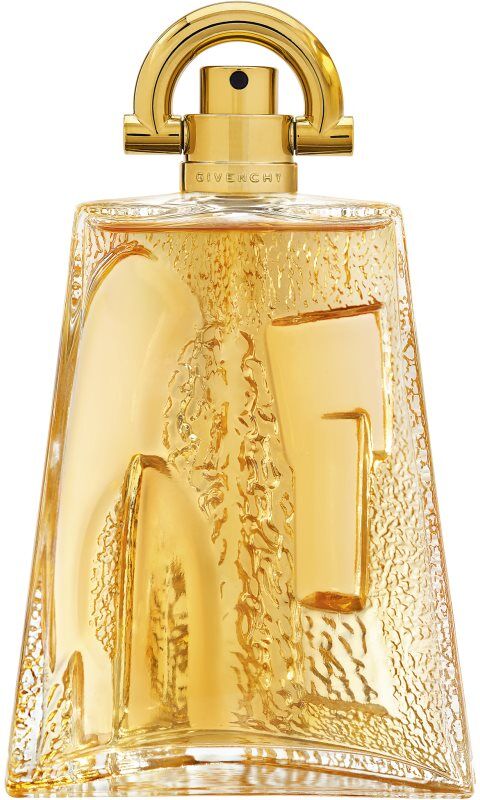
GIVENCHY Pi Eau de Toilette pour homme 100 mlGIVENCHY Pi, 100 ml, Eaux de Toilette pour homme, L'eau de toilette pour homme GIVENCHY Pi , un indispensable dont vous ne pourrez plus vous passer. Elle vous convaincra dès les premières effluves et deviendra une partie intégrante de votre quotidien. parfum boisé parfum aromatique aux notes d’herbes parfum oriental souligne le sex-appeal et la masculinité naturelle parfum chaleureux, idéal par temps froid63,92 €*Shipping: 3,45 €Secure redirect to the provider
-
SUPERDRY Doudoune outdoor EverestDétails produit • Longueur : court • Col montant • Fermeture zippée • Capuche fixe réglable par cordon • 2 poches biais • Poignets réglables par bouton-pressions Composition et Entretien • Matière principale : 100% polyester • Doublure : 100% polyester • Garnissage : 100% polyester • Température de lavage 30° cycle délicat • Ne pas repasser / blanchiment interdit • Ne pas sécher en tambour • Pas de nettoyage à sec149,99 €*Shipping: 3,99 €Secure redirect to the provider
-
Signal Natural Elements Integral 8 Charcoal dentifrice Charcoal 75 mlSignal Natural Elements Integral 8 Charcoal, 75 ml, Dentifrices mixte, Le dentifrice Signal Natural Elements Integral 8Charcoal assure un soin complet de vos dents et de vos gencives. Il nettoie la plaque dentaire et les restes d’aliments de vos dents, il prend également soin de la gencive et des muqueuses buccales. Le produit : nettoie parfaitement les dents prend soin des gencives limite la formation de plaque dentaire Mode d’emploi : Nettoyez vos dents au moins 2 x par jour avec une brosse de qualité. Appliquez une quantité raisonnable de dentifrice sur la brosse à dents et nettoyez les dents pendant au moins 2 minutes. Rincez ensuite parfaitement votre cavité buccale.4,10 €*Shipping: 3,45 €Secure redirect to the provider
-
ADIDAS SPORTSWEAR Polaire demi-zip Urban OutdoorDétails produit • Col montant • Manches longues • Fermeture zippée • Longueur : standard Composition et Entretien • 100% polyester • Pour l'entretien, merci de vous référer aux indications figurant sur l'étiquette du produit52,00 €*Shipping: 3,99 €Secure redirect to the provider
-
What are sigma and pi bonds in chemistry?
In chemistry, sigma and pi bonds are types of covalent bonds that hold atoms together in a molecule. A sigma bond is formed by the direct overlap of atomic orbitals, allowing for the free rotation of atoms around the bond axis. On the other hand, a pi bond is formed by the side-to-side overlap of p orbitals, which restricts the rotation of atoms around the bond axis. Both types of bonds are important for understanding the structure and properties of molecules. **
-
What are the differences between covalent bonds, metallic bonds, and ionic bonds?
Covalent bonds are formed when two atoms share electrons, resulting in a strong bond between the atoms. Metallic bonds occur between metal atoms, where the electrons are delocalized and free to move throughout the structure, creating a strong bond. Ionic bonds are formed between a metal and a nonmetal, where one atom transfers electrons to the other, resulting in the formation of positively and negatively charged ions that are attracted to each other. Overall, covalent bonds involve electron sharing, metallic bonds involve electron delocalization, and ionic bonds involve electron transfer. **
-
Do CO bonds form with other CO bonds?
No, CO bonds do not typically form with other CO bonds. Carbon monoxide (CO) is a stable molecule with a triple bond between the carbon and oxygen atoms. This triple bond is strong and does not readily form additional bonds with other CO molecules. Instead, CO molecules tend to interact with other types of molecules through various types of chemical reactions. **
-
Why are intermolecular bonds generally weaker than covalent bonds?
Intermolecular bonds are generally weaker than covalent bonds because they involve interactions between molecules rather than within a single molecule. Covalent bonds involve the sharing of electrons between atoms, creating strong bonds within a molecule. In contrast, intermolecular bonds, such as hydrogen bonds or van der Waals forces, are weaker because they are based on temporary interactions between molecules, which can be easily broken. Additionally, intermolecular bonds are influenced by factors such as distance and orientation, further contributing to their weaker nature compared to covalent bonds. **
Similar search terms for Pi-bonds
-
Smoking Hot van Kilian Uniseks Eau de Parfum 50mlSmoking Hot van By Kilian is een Oriëntaalse Kruidige geur voor dames en heren. Dit is een nieuwe geur. Smoking Hot werd gelanceerd in 2023. De neus achter deze geur is Mathieu Nardin. Topnoten zijn Appel, Kaneel en Rook; hartnoten zijn Tabak, Vanille en Mos; basisnoten zijn Bourbon Vanille, Orcanoxandtrade;, Zoethout, Iso E Super en Muskaatsalie.185,00 €*Shipping: 0,00 €Secure redirect to the provider
-
LA REDOUTE INTERIEURS Guirlande lumineuse indoor/outdoor, MastiComme un air de guinguette. C'est fou comme une simple guirlande lumineuse peut transformer l'atmosphère d'un lieu, à l'intérieur comme à l'extérieur.Description • Guirlande lumineuse de 120 LEDs • 8 fonctions effet clignotant • Pour usage intérieur ou extérieur • Livrée avec transformateur Dimensions • Longueur : 9 m Dimensions et poids des colis 1 colis • L20 x H10 x P10 cm, 0,5 kg19,99 €*Shipping: 3,99 €Secure redirect to the provider
-
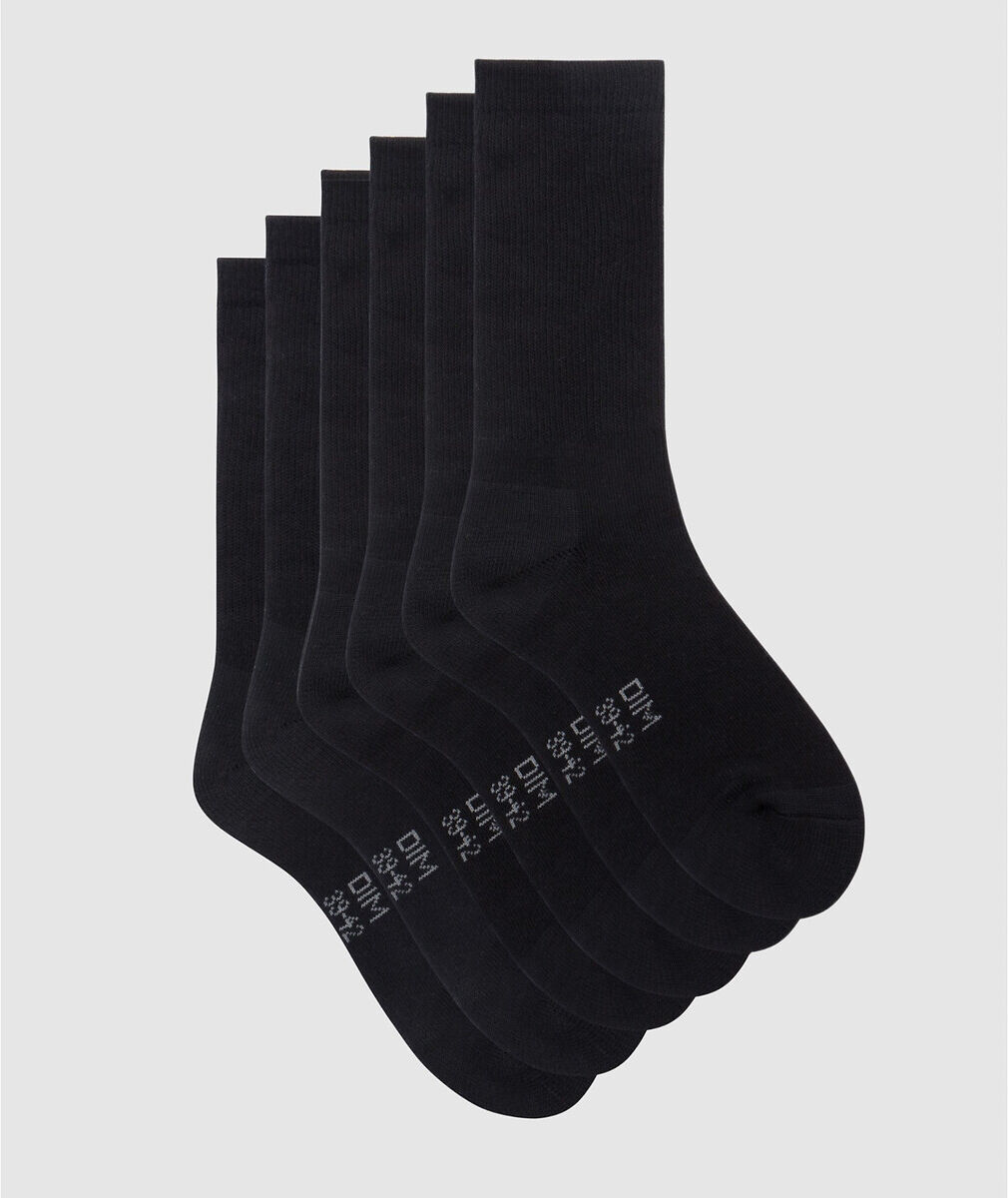
DIM Lot de 3 paires de chaussettes OutdoorDétails produit • Lot de 3 • Mi-chaussettes Composition et Entretien • 72% coton, 24% polyester, 3% elastodiene, 1% élasthanne • Pour l'entretien, merci de vous référer aux indications figurant sur l'étiquette du produit • OEKO-TEX® Standard 100. La labellisation OEKO-TEX® Standard 100 contrôle les substances nocives des produits textiles via un label indépendant et international. Fiche produit relative aux qualités et caractéristiques environnementales • Origine de fabrication (tissage, teinture, confection) : Chine Dernière mise à jour des informations : 02/04/202615,38 €*Shipping: 3,99 €Secure redirect to the provider
-
bdk Parfums Rouge Smoking Eau de Parfum mixte 10 mlbdk Parfums Rouge Smoking, 10 ml, Eaux de Parfum mixte, Fraîche et mystérieuse, moderne et à la fois hors du temps ! Il s'agit bien de l'eau de parfum mixte bdk Parfums Rouge Smoking dont la composition parfumée est parfaite pour les femmes comme pour les hommes. pour celles et ceux qui n'ont pas peur de sortir des sentiers battus pour les femmes comme pour les hommes57,00 €*Shipping: 3,45 €Secure redirect to the provider
-
Why are intermolecular bonds weaker than electron pair bonds?
Intermolecular bonds are weaker than electron pair bonds because they involve interactions between molecules rather than within a single molecule. In intermolecular bonds, the attractive forces between molecules are generally weaker than the covalent bonds that hold atoms together within a molecule. Additionally, intermolecular bonds are typically temporary and can be easily broken, whereas electron pair bonds are strong and stable. Overall, the weaker nature of intermolecular bonds allows molecules to move and interact with each other more freely. **
-
Why are intermolecular bonds typically weaker than covalent bonds?
Intermolecular bonds are typically weaker than covalent bonds because they involve interactions between molecules rather than within a single molecule. In intermolecular bonds, the attractive forces between molecules, such as van der Waals forces or hydrogen bonding, are weaker than the strong sharing of electrons in covalent bonds. Additionally, intermolecular bonds are more easily broken or disrupted by changes in temperature or pressure, leading to lower bond energies compared to covalent bonds. **
-
Why are intermolecular bonds typically weaker than electron pair bonds?
Intermolecular bonds are typically weaker than electron pair bonds because they involve interactions between molecules rather than within a single molecule. In intermolecular bonds, the attractive forces between molecules are generally weaker than the covalent bonds that hold atoms together within a molecule. Additionally, intermolecular bonds are usually based on weaker forces such as van der Waals forces, hydrogen bonding, or dipole-dipole interactions, which are not as strong as the sharing or transfer of electrons in covalent or ionic bonds. **
-
Why are intermolecular bonds generally weaker than electron pair bonds?
Intermolecular bonds are generally weaker than electron pair bonds because they involve interactions between molecules, which are larger and less localized than the interactions between atoms in a covalent bond. In intermolecular bonds, the attractive forces are typically weaker due to the larger distance between molecules and the lack of direct sharing of electrons. In contrast, electron pair bonds involve the sharing of electrons between atoms, leading to stronger and more localized bonding interactions. **
* All prices are inclusive of VAT and, if applicable, plus shipping costs. The offer information is based on the details provided by the respective shop and is updated through automated processes. Real-time updates do not occur, so deviations can occur in individual cases. ** Note: Parts of this content were created by AI.