Buy kopa-houtskooloven.be ?
We are moving the project
kopa-houtskooloven.be .
Are you interested in purchasing the domain
kopa-houtskooloven.be ?
domain@kv-gmbh.de · 0541-91531010
Buy kopa-houtskooloven.be ?
How many pull-ups?
The number of pull-ups a person can do varies depending on their strength and fitness level. Some people may be able to do multiple pull-ups in a row, while others may struggle to do even one. It is important to gradually build up strength and practice regularly to improve the number of pull-ups one can do. **
Are push-ups easier than pull-ups?
Push-ups and pull-ups work different muscle groups, so the difficulty of each exercise can vary depending on an individual's strength and fitness level. Generally, push-ups are considered to be easier for most people because they primarily engage the chest, shoulders, and triceps, which are larger muscle groups. Pull-ups, on the other hand, require more upper body strength as they target the back, biceps, and forearms. However, the difficulty of both exercises can be subjective and may vary from person to person. **

Similar search terms for Pull-ups
Top-Angebote
Products related to Pull-ups:
-
JDY Pull manches courtesDétails produit • Pull court • Manches courtes • Col rond • Fine maille Composition et Entretien • 74% viscose, 26% fibre métallisée • Pour l'entretien, merci de vous référer aux indications figurant sur l'étiquette du produit17,49 €*Shipping: 3,99 €Secure redirect to the provider
-
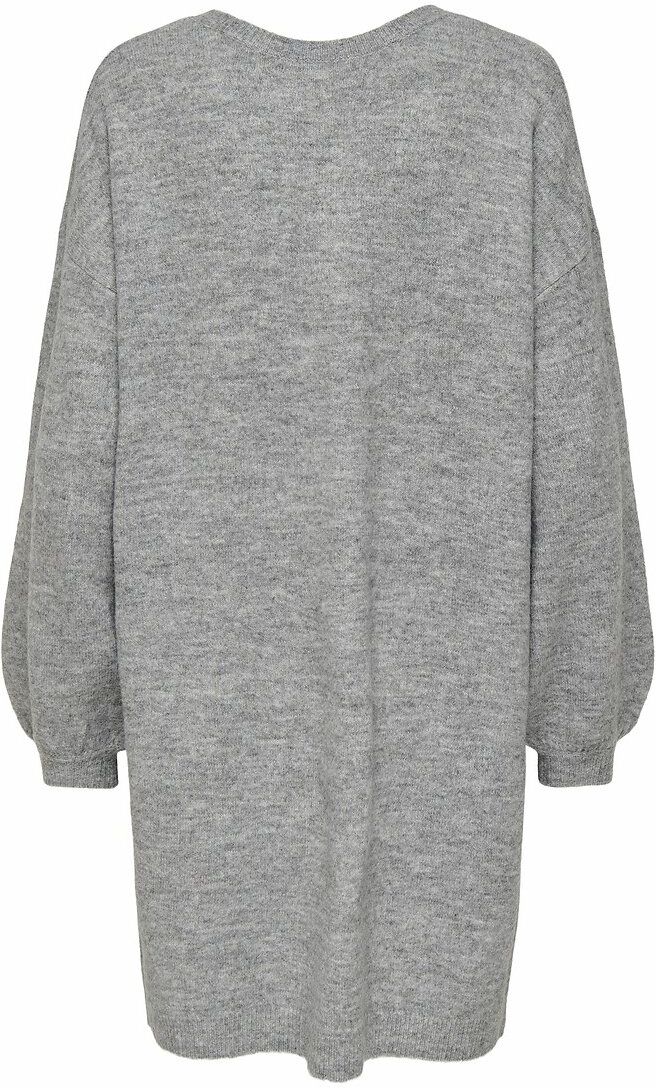
ONLY Robe pull réversibleDétails produit • Forme : droite • Longueur midi, 3/4 • Manches longues • Col V Composition et Entretien • 75% acrylique, 22% polyester, 3% élasthanne • Pour l'entretien, merci de vous référer aux indications figurant sur l'étiquette du produit22,49 €*Shipping: 3,99 €Secure redirect to the provider


-
How do push-ups and pull-ups promote growth?
Push-ups and pull-ups promote growth by targeting multiple muscle groups in the upper body, including the chest, shoulders, arms, and back. These exercises help to increase muscle strength and endurance, which can lead to muscle growth over time. Additionally, push-ups and pull-ups also engage the core muscles, promoting overall strength and stability. By consistently incorporating these exercises into a workout routine, individuals can experience improved muscle growth and development in the upper body. **
-
What is overtraining in pull-ups and push-ups?
Overtraining in pull-ups and push-ups occurs when an individual performs these exercises at a frequency, intensity, or duration that exceeds their body's ability to recover and adapt. This can lead to muscle fatigue, decreased performance, and an increased risk of injury. Overtraining can also result in symptoms such as persistent muscle soreness, decreased motivation, and disrupted sleep patterns. It is important to allow for adequate rest and recovery between workouts to prevent overtraining and promote optimal performance and muscle growth. **
-
Why can't I do pull-ups?
There could be several reasons why you may be struggling to do pull-ups. It could be due to lack of upper body strength, improper technique, or not engaging the right muscles. It is important to gradually build up your strength by incorporating exercises that target the muscles used in pull-ups, such as rows and lat pulldowns. Consistent practice and proper form will help you improve your pull-up ability over time. **
-
How do I do pull-ups?
To do a pull-up, start by gripping the pull-up bar with your hands shoulder-width apart and palms facing away from you. Hang from the bar with your arms fully extended. Engage your core and pull yourself up towards the bar by bending your elbows and bringing your chest towards the bar. Lower yourself back down with control to complete one repetition. Repeat for multiple reps to build strength in your back, arms, and shoulders. **

Are one-arm pull-ups dangerous?
One-arm pull-ups can be dangerous if not performed with proper technique and preparation. They require a high level of strength and stability in the shoulder and core muscles, and attempting them without adequate strength can lead to injuries such as strains or tears. It is important to gradually build up to one-arm pull-ups by strengthening the necessary muscles and ensuring proper form to reduce the risk of injury. Consulting with a fitness professional before attempting one-arm pull-ups can help ensure they are done safely. **
How to do pull-ups correctly?
To do pull-ups correctly, start by gripping the pull-up bar with your hands shoulder-width apart and palms facing away from you. Hang with your arms fully extended, engage your core, and pull yourself up by driving your elbows down towards your sides until your chin clears the bar. Lower yourself back down with control until your arms are fully extended. Keep your body straight and avoid swinging or using momentum to complete the exercise. Repeat for the desired number of repetitions while maintaining proper form throughout. **
Top-Angebote
Products related to Pull-ups:
-
JDY Pull rayéDétails produit • Pull court • Manches longues • Col rond • Grosse maille • Motif à rayures Composition et Entretien • 78% polyester, 15% polyamide, 5% laine, 2% élasthanne • Pour l'entretien, merci de vous référer aux indications figurant sur l'étiquette du produit27,99 €*Shipping: 3,99 €Secure redirect to the provider
-
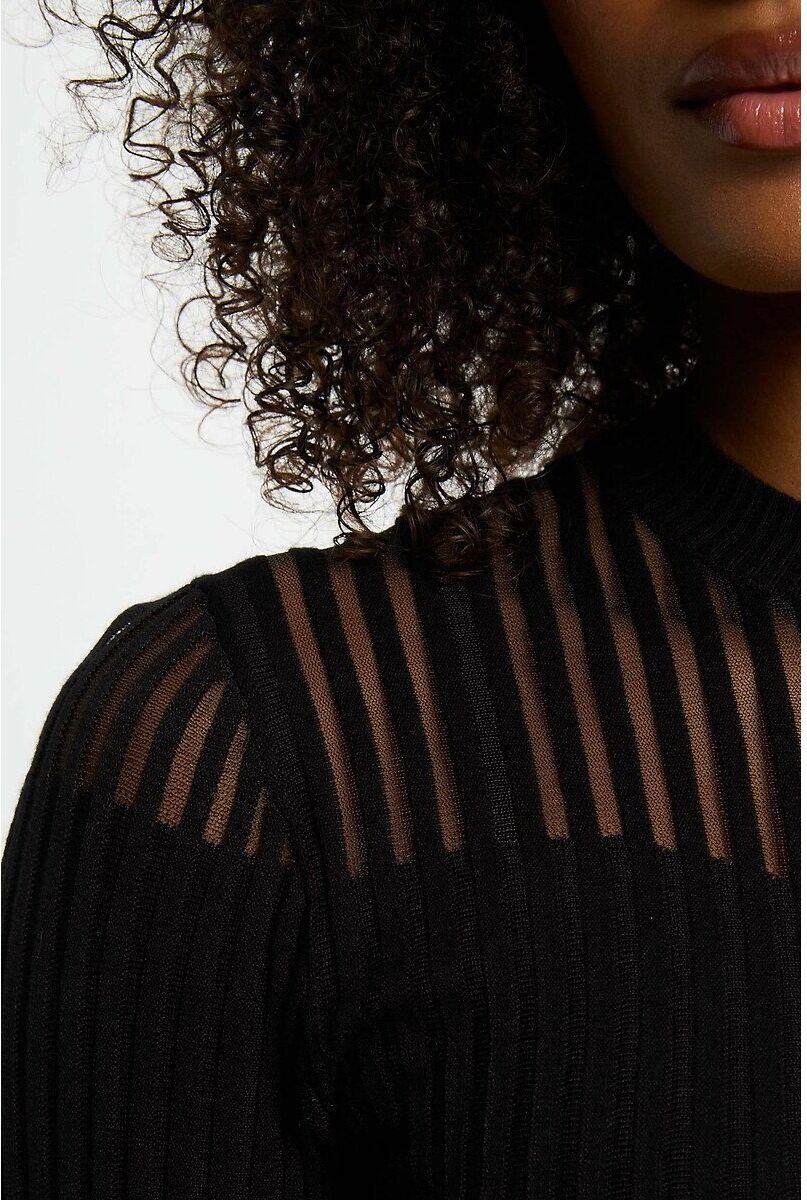
MORGAN Pull manches longuesDétails produit • Manches longues • Col rond • Coupe ajustée • Détails ajourés à l'encolure et aux épaules • Fine maille Composition et Entretien • 76% viscose, 23% polyamide, 1% polyester • Pour l'entretien, merci de vous référer aux indications figurant sur l'étiquette du produit • MATIÈRE TEXTILE ISSUE DE FORÊTS GÉRÉES DURABLEMENT. Les fibres LENZING™ ECOVERO™ Viscose sont des fibres textiles obtenues à partir de pulpe de bois certifiée FSC® ou PEFC™ issu de forêts gérées durablement. Ces exploitations forestières replantent des arbres à un rythme raisonnable permettant ainsi le renouvellement de la forêt.45,00 €*Shipping: 3,99 €Secure redirect to the provider
-
JDY Pull manches courtesDétails produit • Pull court • Manches courtes • Col rond • Fine maille Composition et Entretien • 74% viscose, 26% fibre métallisée • Pour l'entretien, merci de vous référer aux indications figurant sur l'étiquette du produit17,49 €*Shipping: 3,99 €Secure redirect to the provider
-
How many pull-ups?
The number of pull-ups a person can do varies depending on their strength and fitness level. Some people may be able to do multiple pull-ups in a row, while others may struggle to do even one. It is important to gradually build up strength and practice regularly to improve the number of pull-ups one can do. **
-
Are push-ups easier than pull-ups?
Push-ups and pull-ups work different muscle groups, so the difficulty of each exercise can vary depending on an individual's strength and fitness level. Generally, push-ups are considered to be easier for most people because they primarily engage the chest, shoulders, and triceps, which are larger muscle groups. Pull-ups, on the other hand, require more upper body strength as they target the back, biceps, and forearms. However, the difficulty of both exercises can be subjective and may vary from person to person. **
-
How do push-ups and pull-ups promote growth?
Push-ups and pull-ups promote growth by targeting multiple muscle groups in the upper body, including the chest, shoulders, arms, and back. These exercises help to increase muscle strength and endurance, which can lead to muscle growth over time. Additionally, push-ups and pull-ups also engage the core muscles, promoting overall strength and stability. By consistently incorporating these exercises into a workout routine, individuals can experience improved muscle growth and development in the upper body. **
-
What is overtraining in pull-ups and push-ups?
Overtraining in pull-ups and push-ups occurs when an individual performs these exercises at a frequency, intensity, or duration that exceeds their body's ability to recover and adapt. This can lead to muscle fatigue, decreased performance, and an increased risk of injury. Overtraining can also result in symptoms such as persistent muscle soreness, decreased motivation, and disrupted sleep patterns. It is important to allow for adequate rest and recovery between workouts to prevent overtraining and promote optimal performance and muscle growth. **
Similar search terms for Pull-ups
-
ONLY Robe pull réversibleDétails produit • Forme : droite • Longueur midi, 3/4 • Manches longues • Col V Composition et Entretien • 75% acrylique, 22% polyester, 3% élasthanne • Pour l'entretien, merci de vous référer aux indications figurant sur l'étiquette du produit22,49 €*Shipping: 3,99 €Secure redirect to the provider
-
Why can't I do pull-ups?
There could be several reasons why you may be struggling to do pull-ups. It could be due to lack of upper body strength, improper technique, or not engaging the right muscles. It is important to gradually build up your strength by incorporating exercises that target the muscles used in pull-ups, such as rows and lat pulldowns. Consistent practice and proper form will help you improve your pull-up ability over time. **
-
How do I do pull-ups?
To do a pull-up, start by gripping the pull-up bar with your hands shoulder-width apart and palms facing away from you. Hang from the bar with your arms fully extended. Engage your core and pull yourself up towards the bar by bending your elbows and bringing your chest towards the bar. Lower yourself back down with control to complete one repetition. Repeat for multiple reps to build strength in your back, arms, and shoulders. **
-
Are one-arm pull-ups dangerous?
One-arm pull-ups can be dangerous if not performed with proper technique and preparation. They require a high level of strength and stability in the shoulder and core muscles, and attempting them without adequate strength can lead to injuries such as strains or tears. It is important to gradually build up to one-arm pull-ups by strengthening the necessary muscles and ensuring proper form to reduce the risk of injury. Consulting with a fitness professional before attempting one-arm pull-ups can help ensure they are done safely. **
-
How to do pull-ups correctly?
To do pull-ups correctly, start by gripping the pull-up bar with your hands shoulder-width apart and palms facing away from you. Hang with your arms fully extended, engage your core, and pull yourself up by driving your elbows down towards your sides until your chin clears the bar. Lower yourself back down with control until your arms are fully extended. Keep your body straight and avoid swinging or using momentum to complete the exercise. Repeat for the desired number of repetitions while maintaining proper form throughout. **
* All prices are inclusive of VAT and, if applicable, plus shipping costs. The offer information is based on the details provided by the respective shop and is updated through automated processes. Real-time updates do not occur, so deviations can occur in individual cases. ** Note: Parts of this content were created by AI.